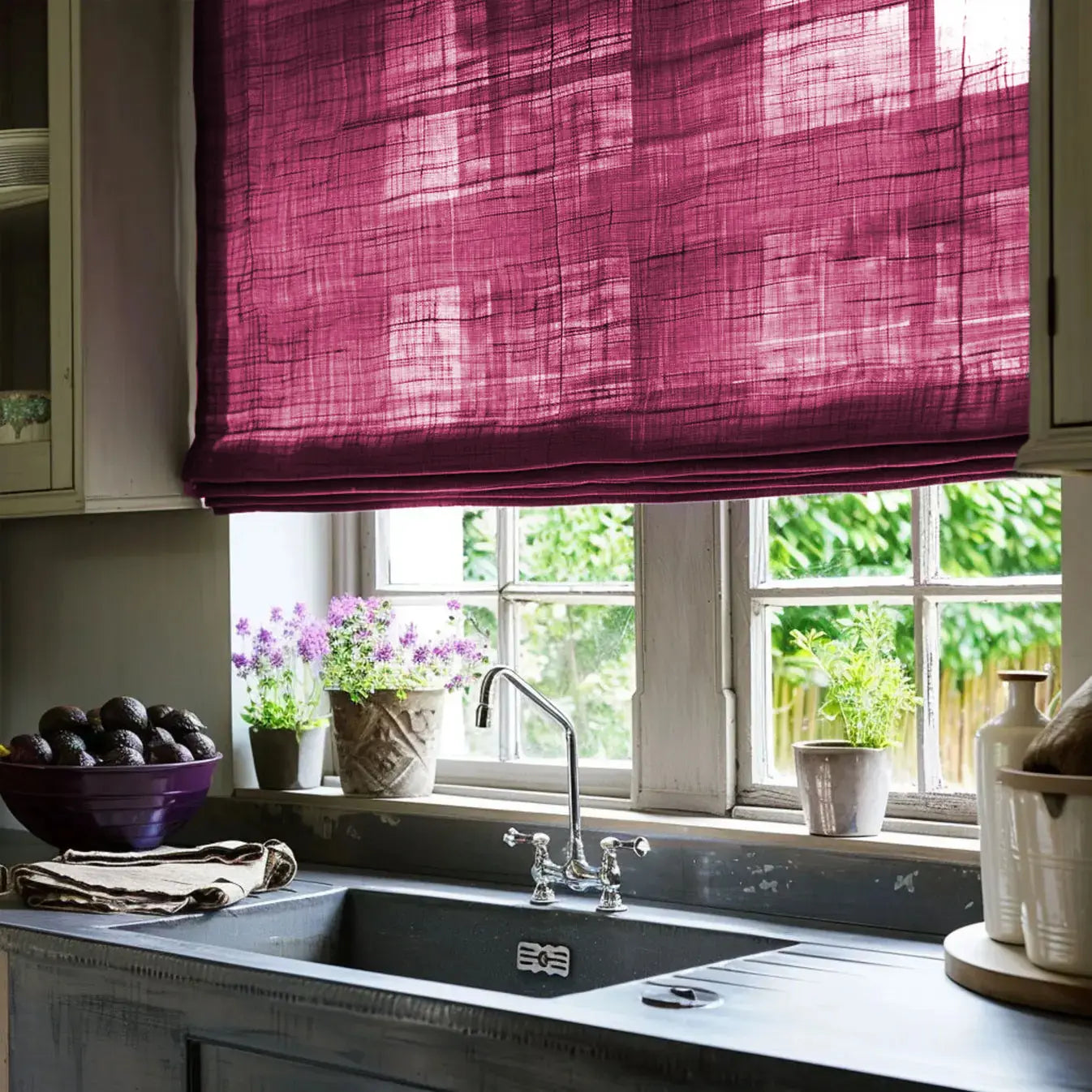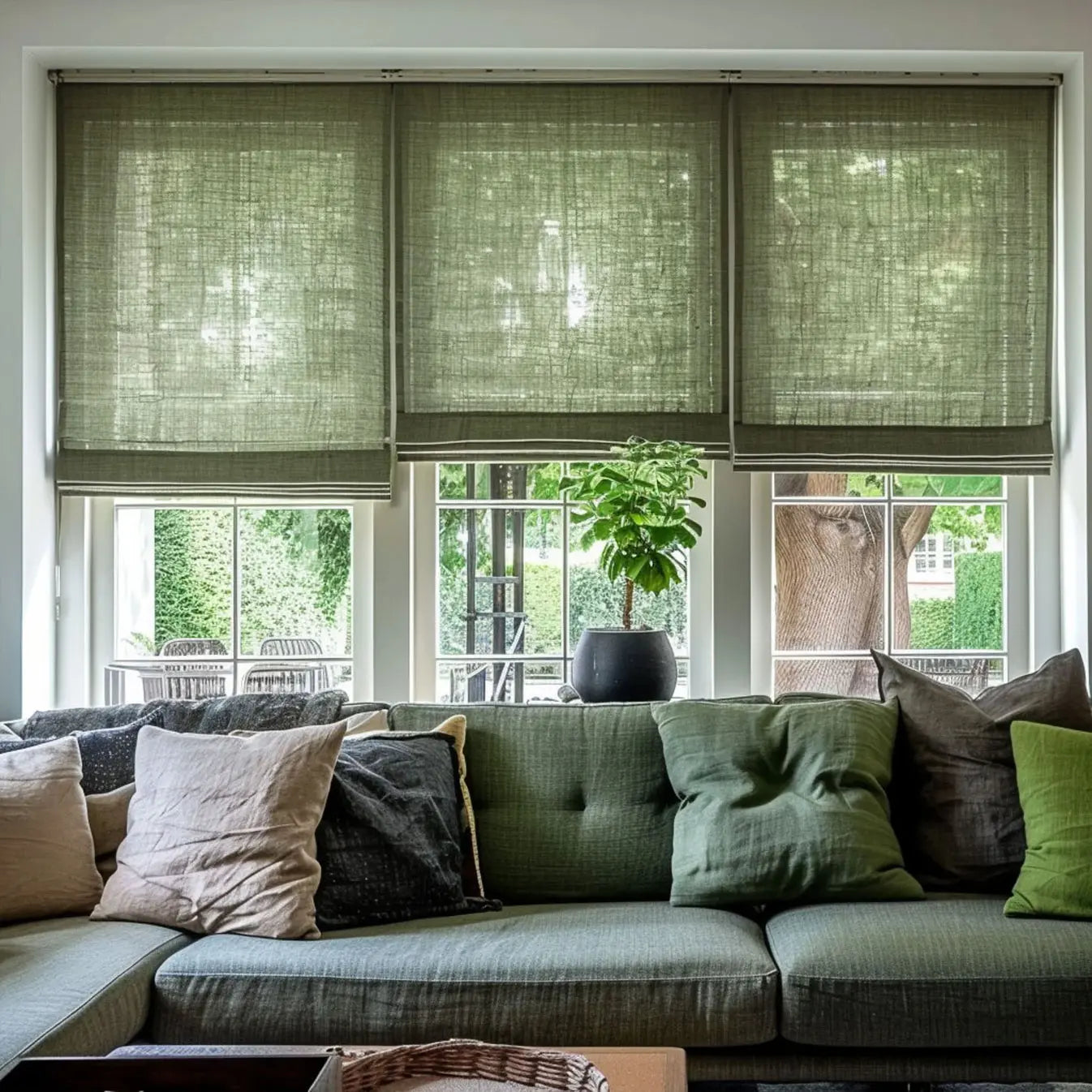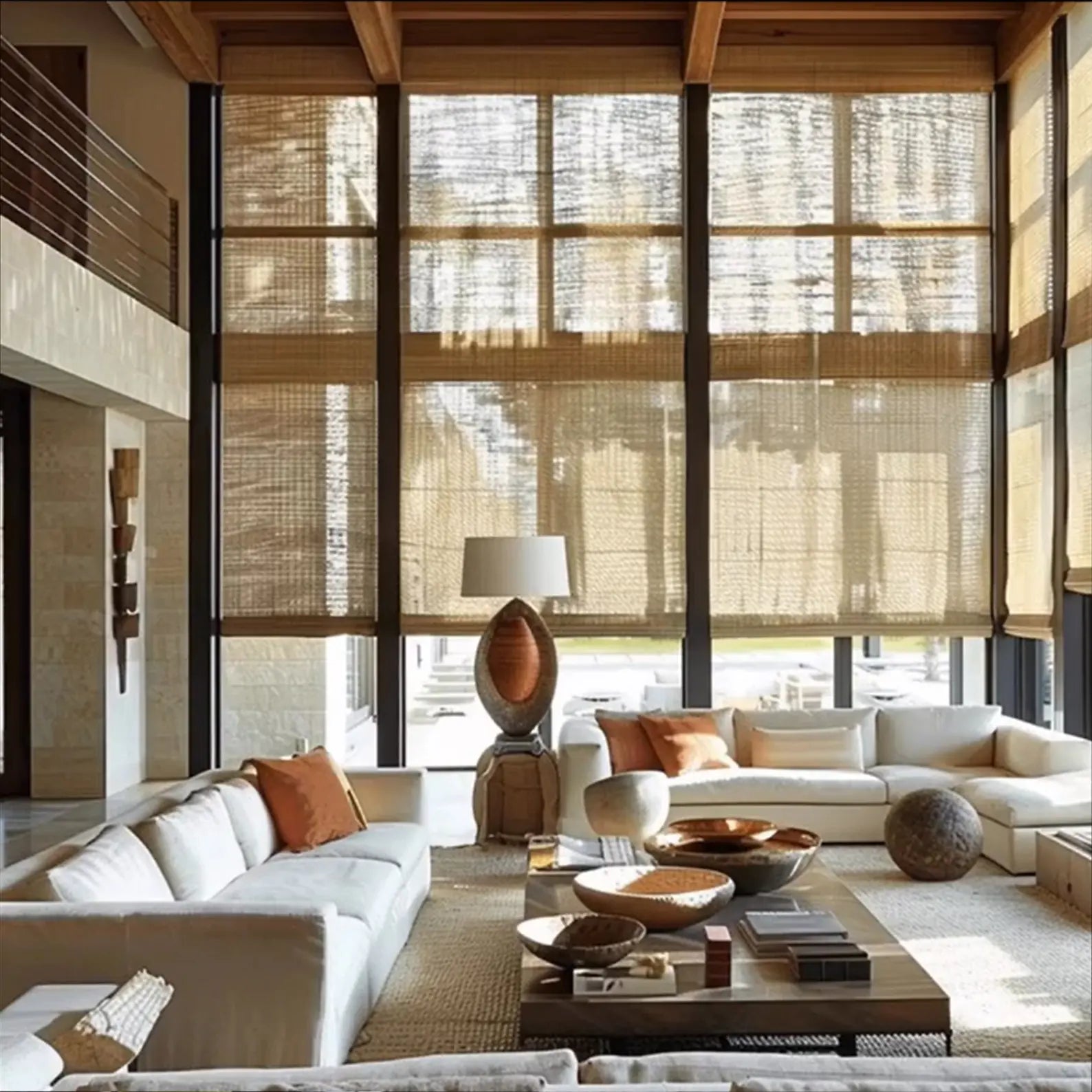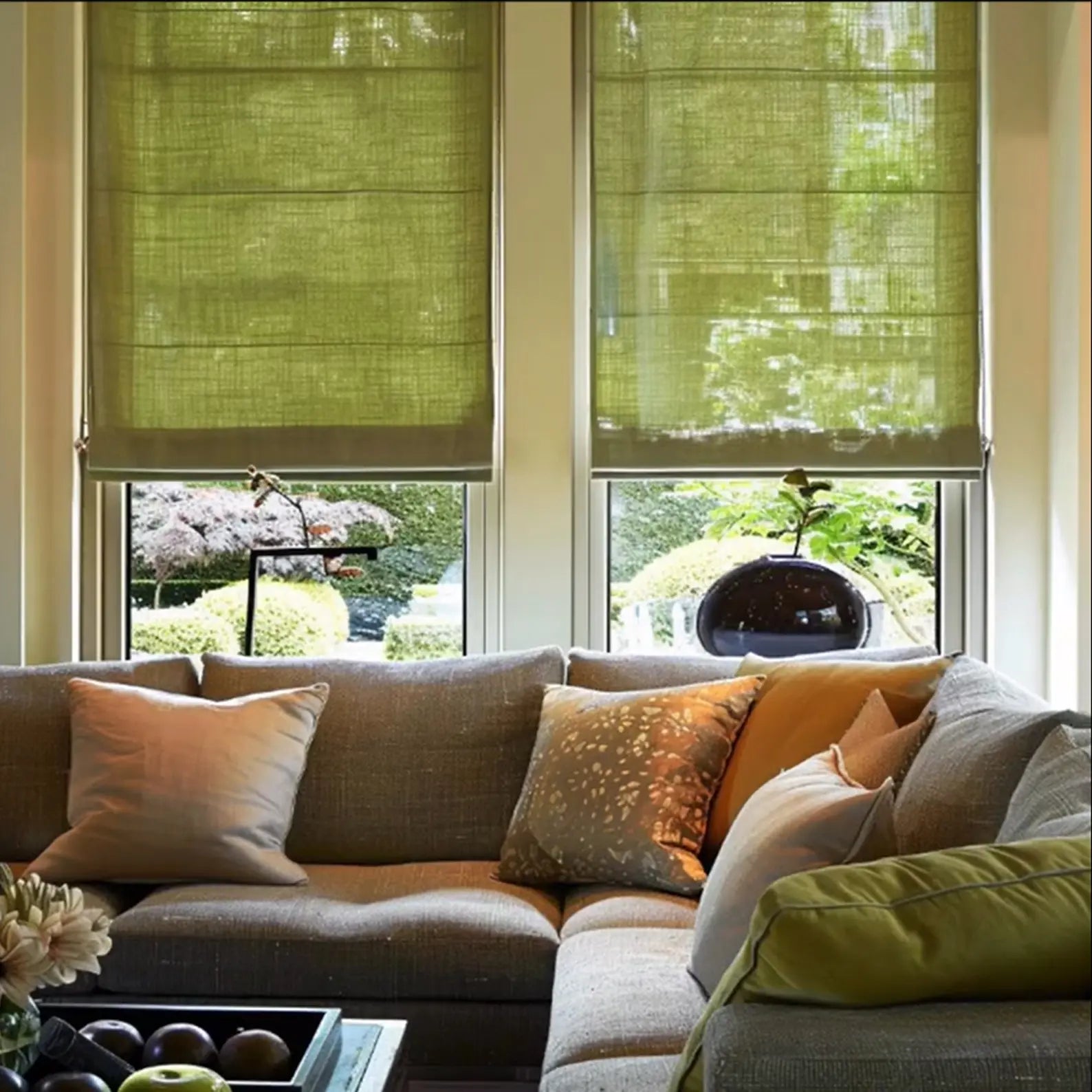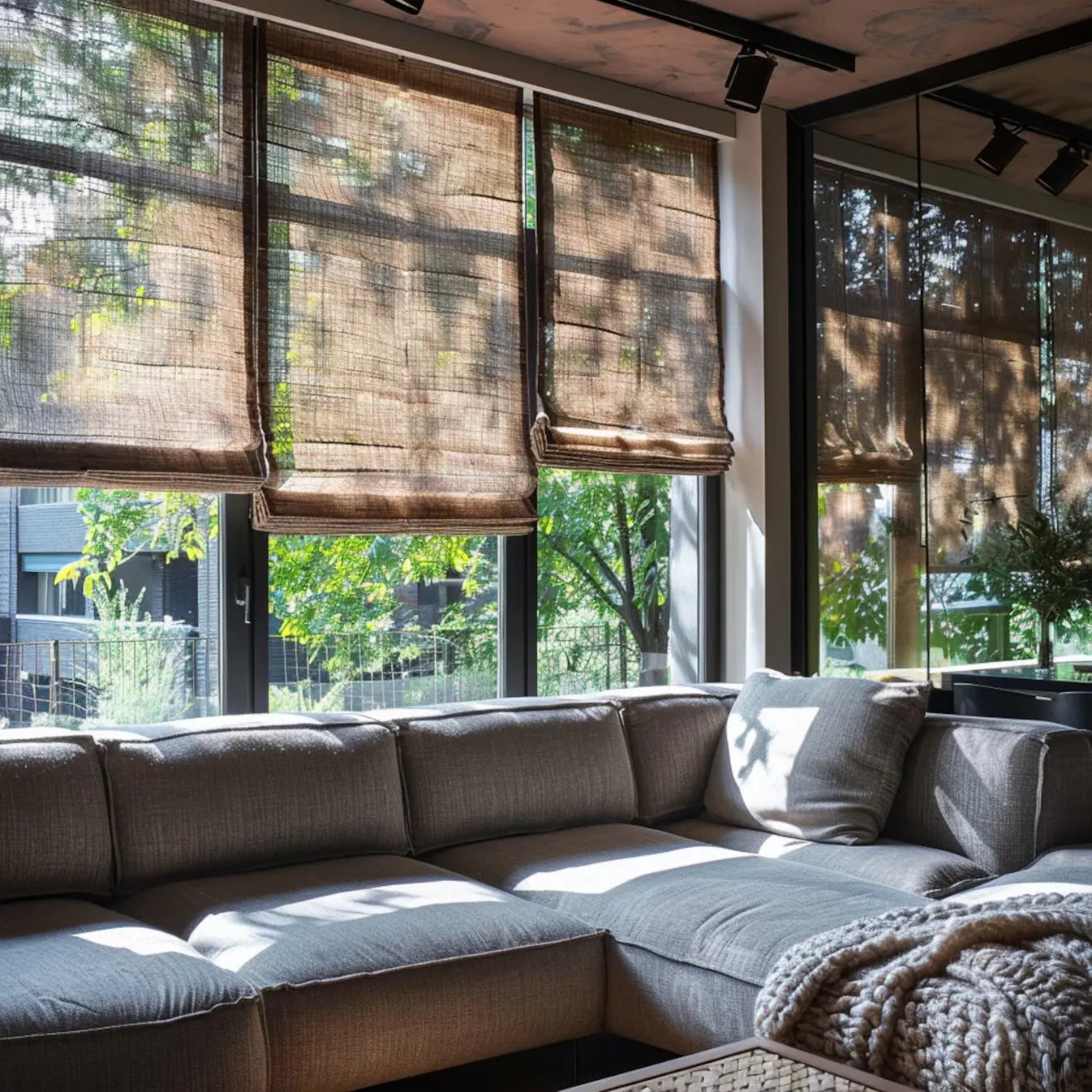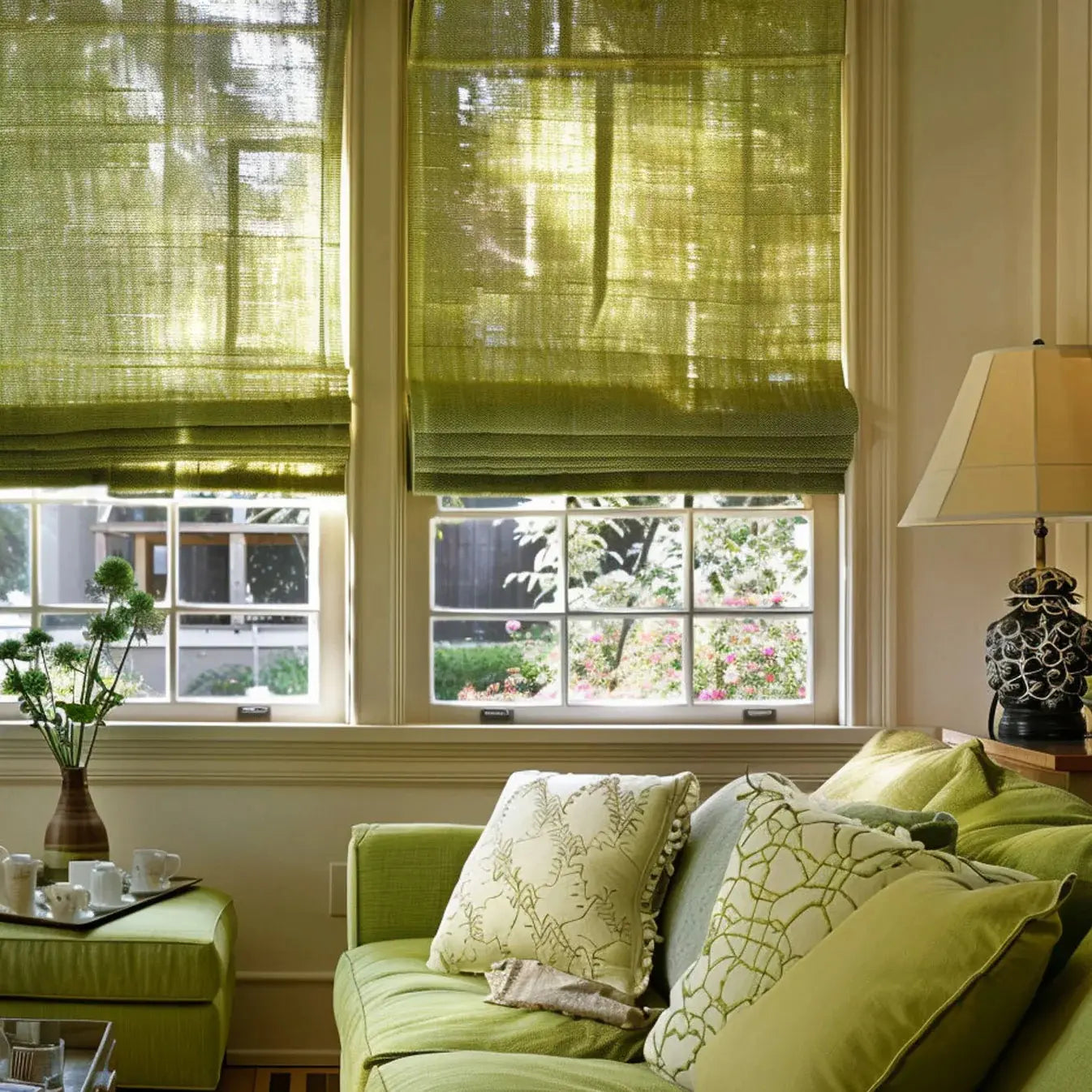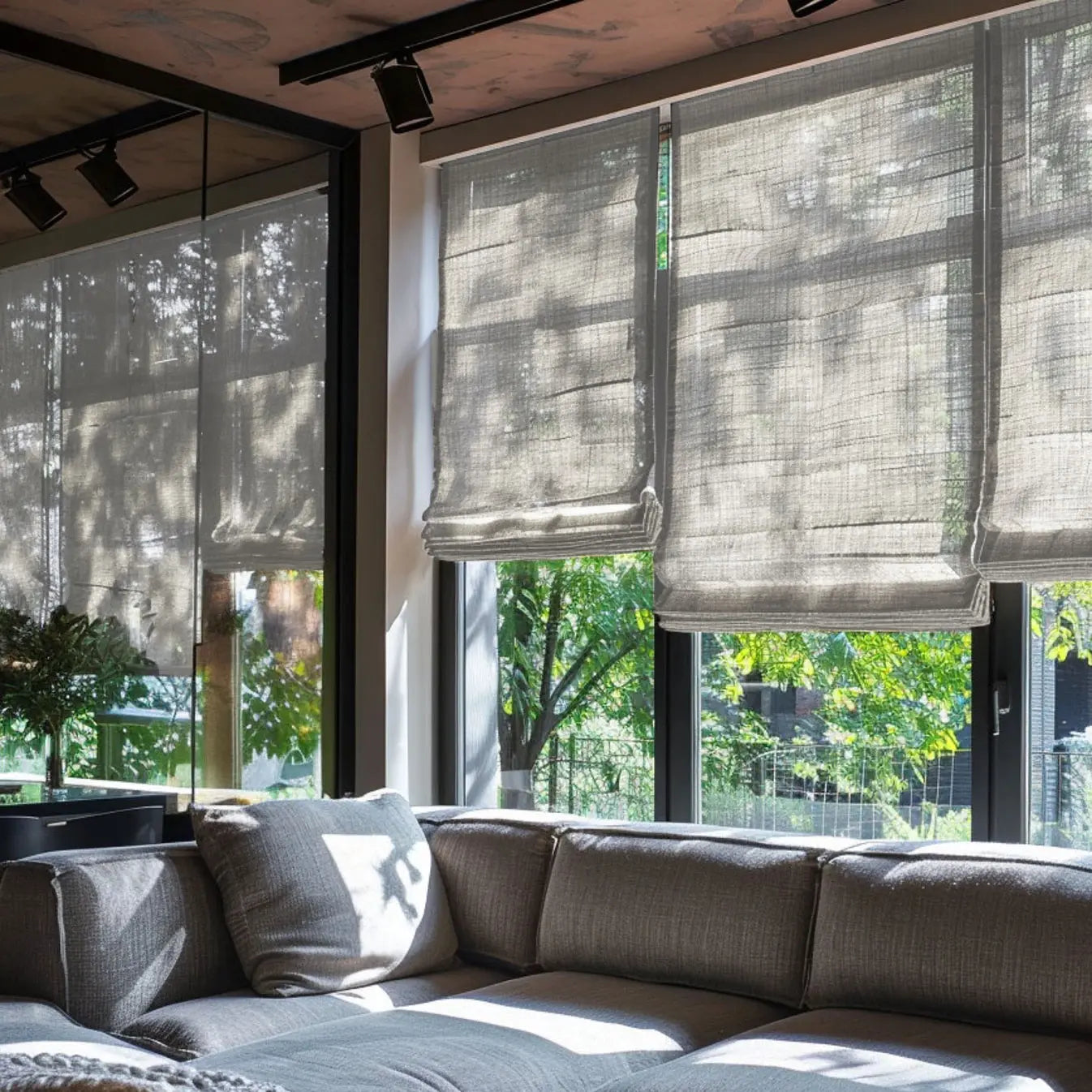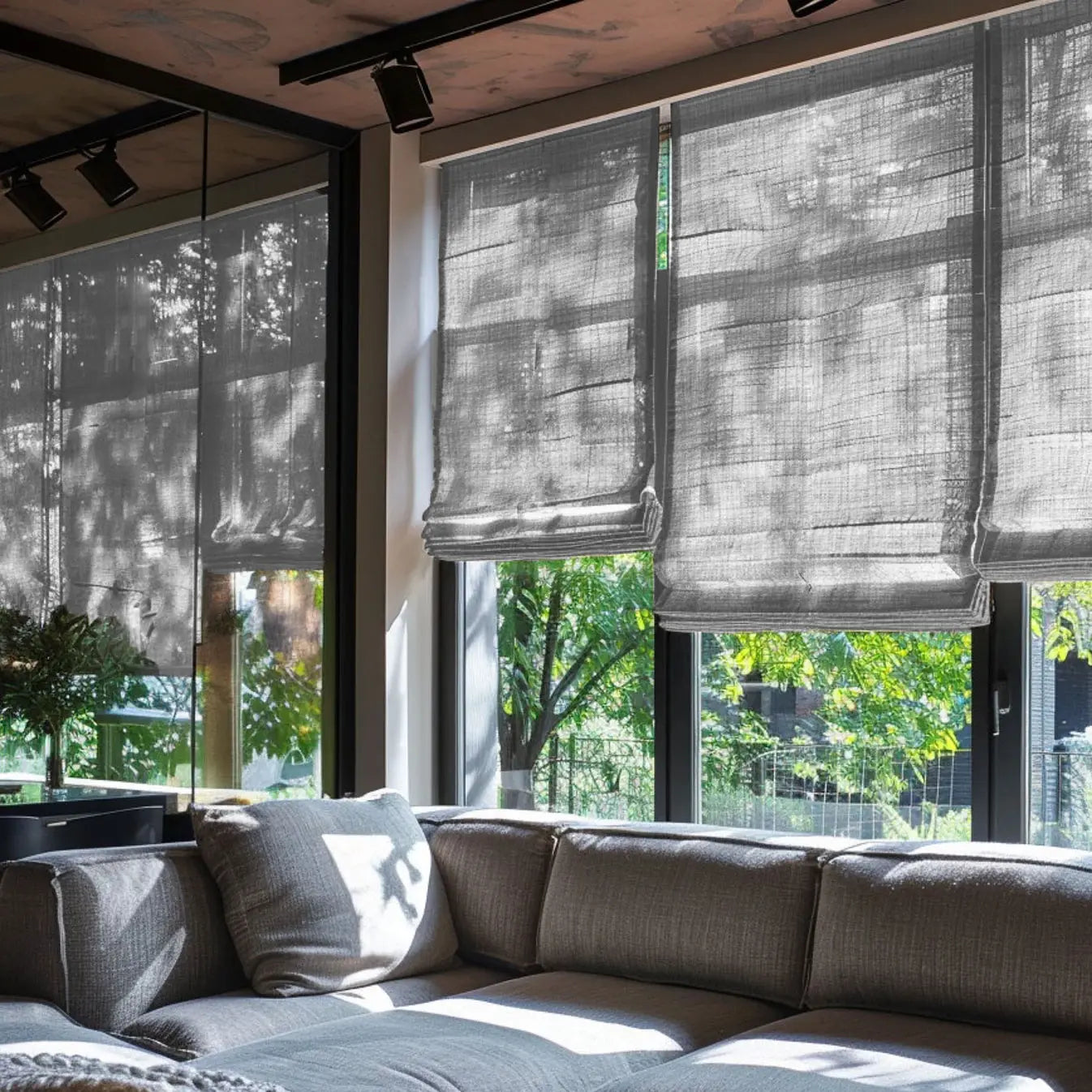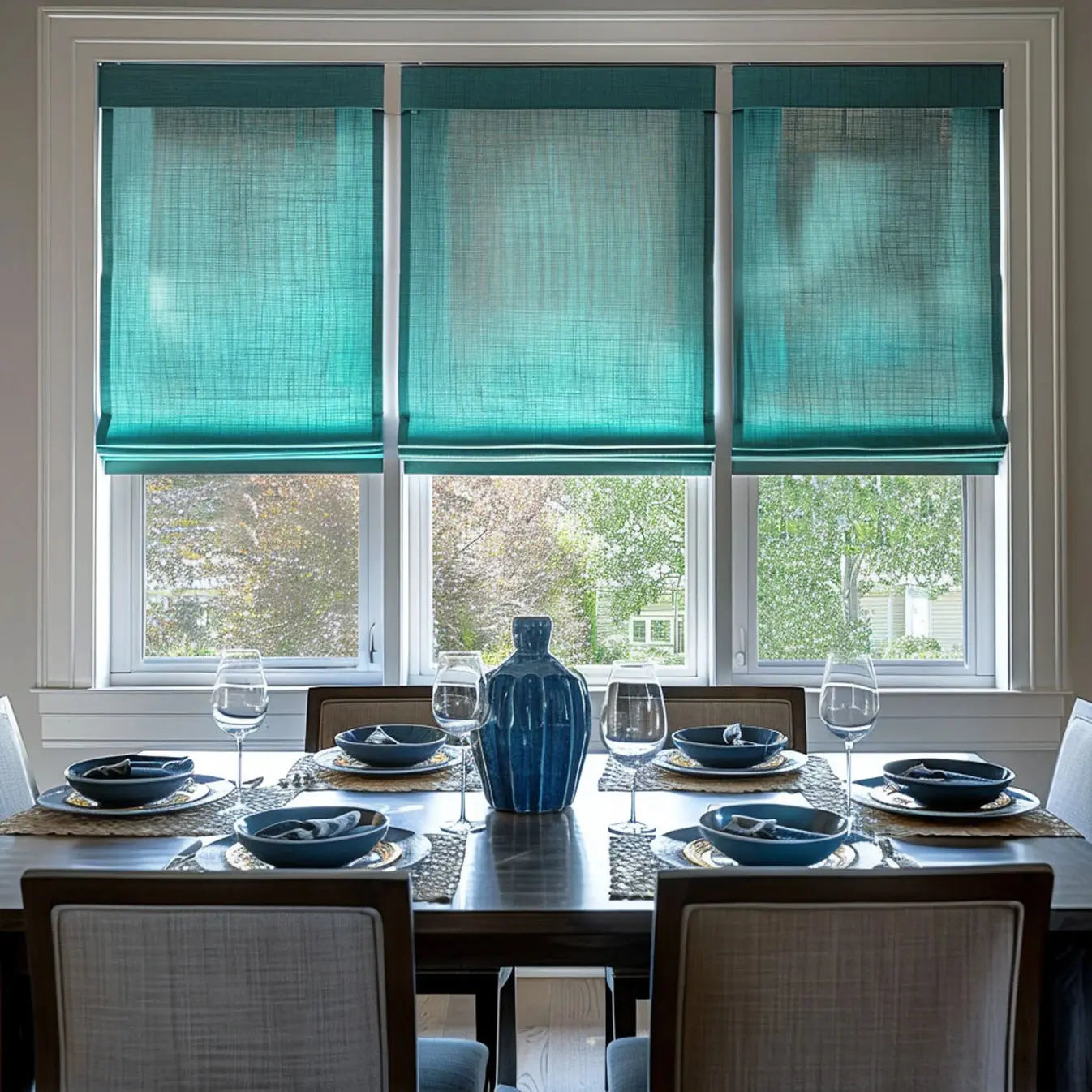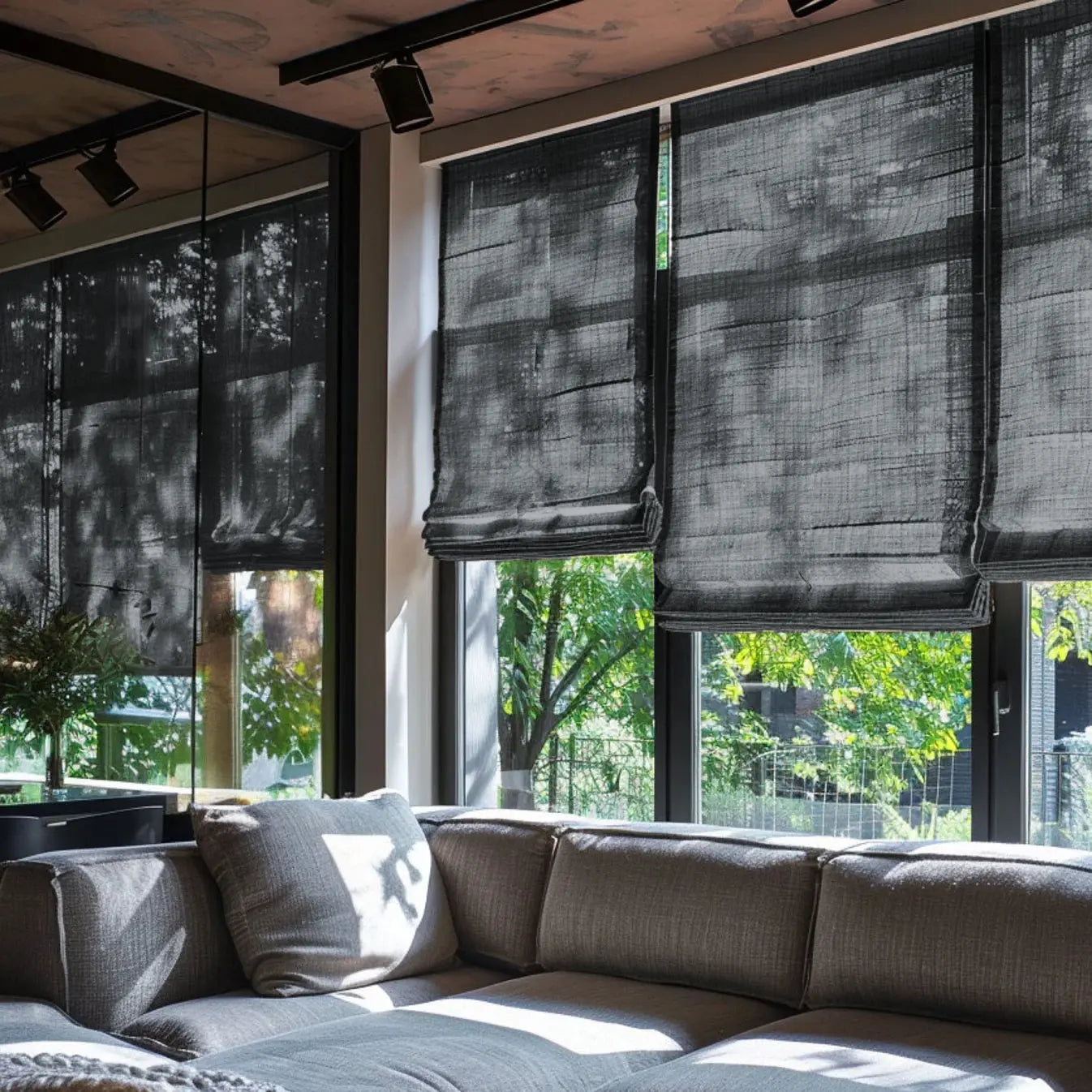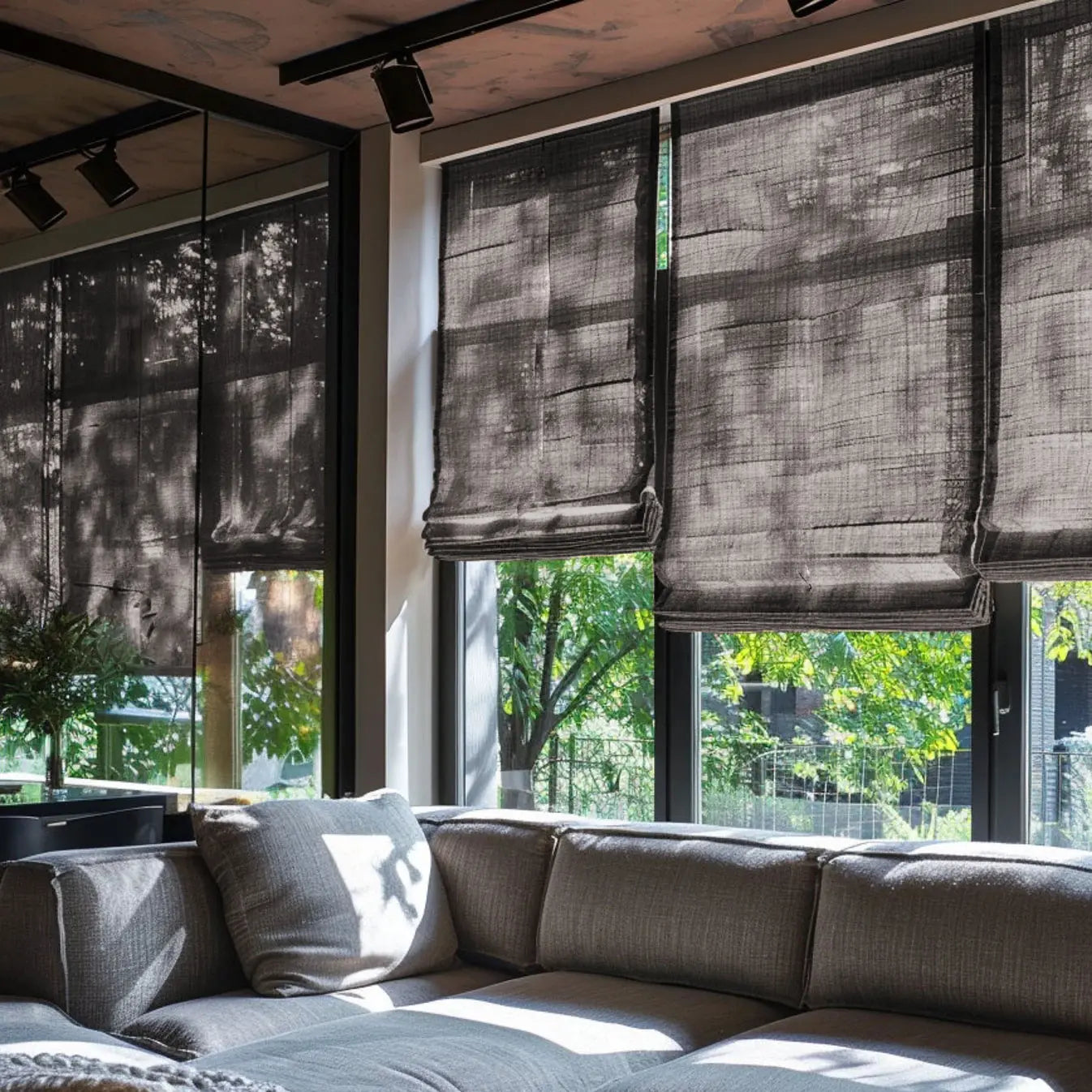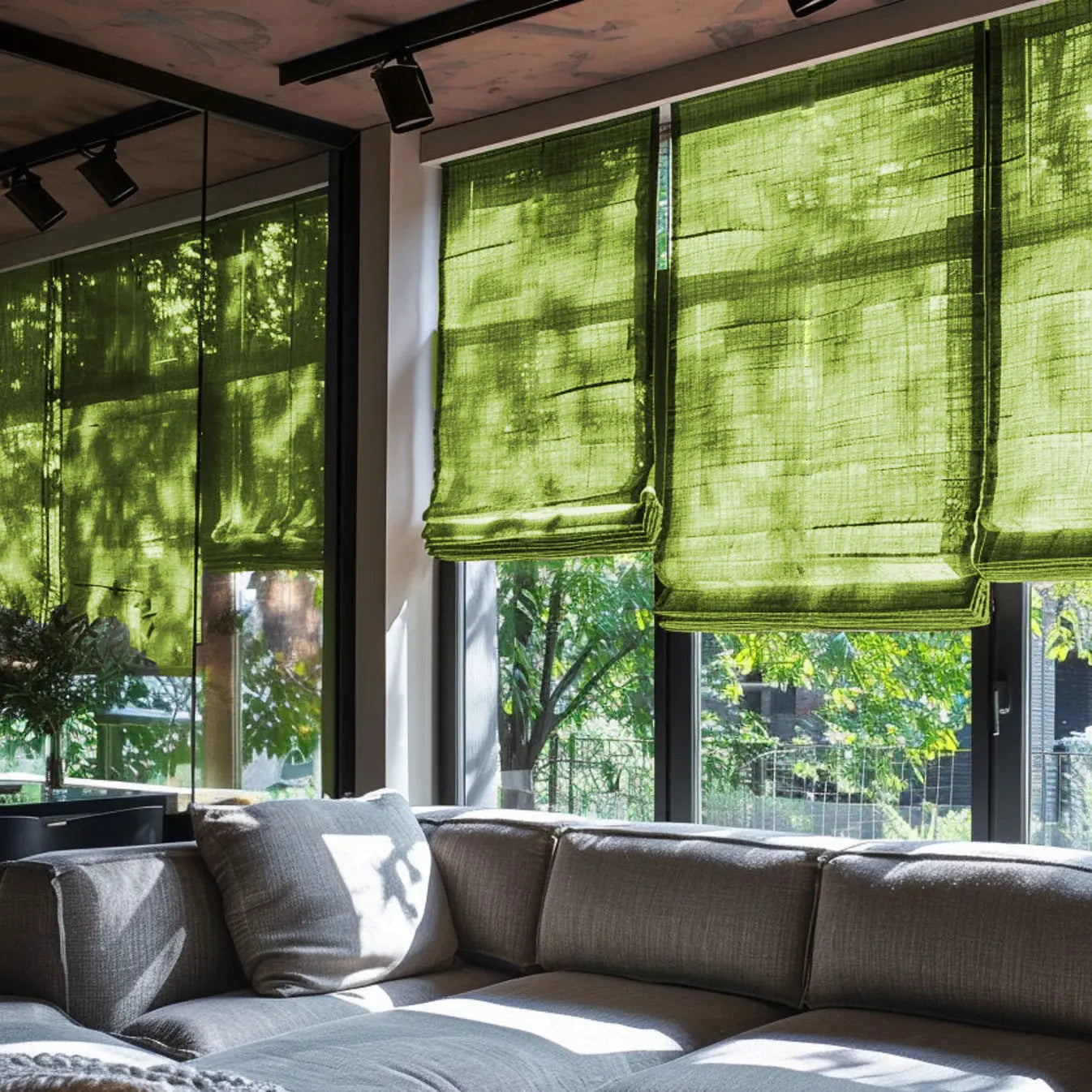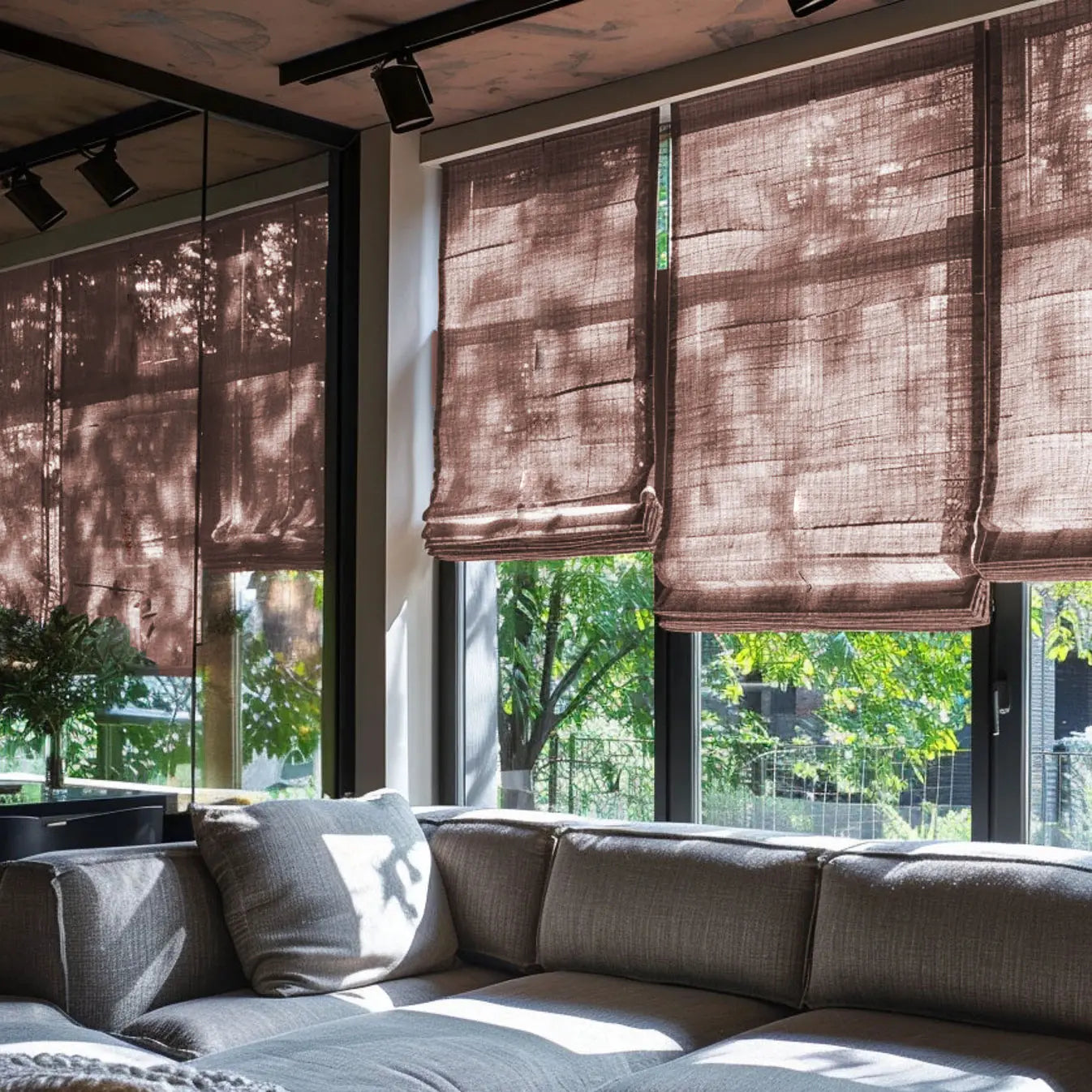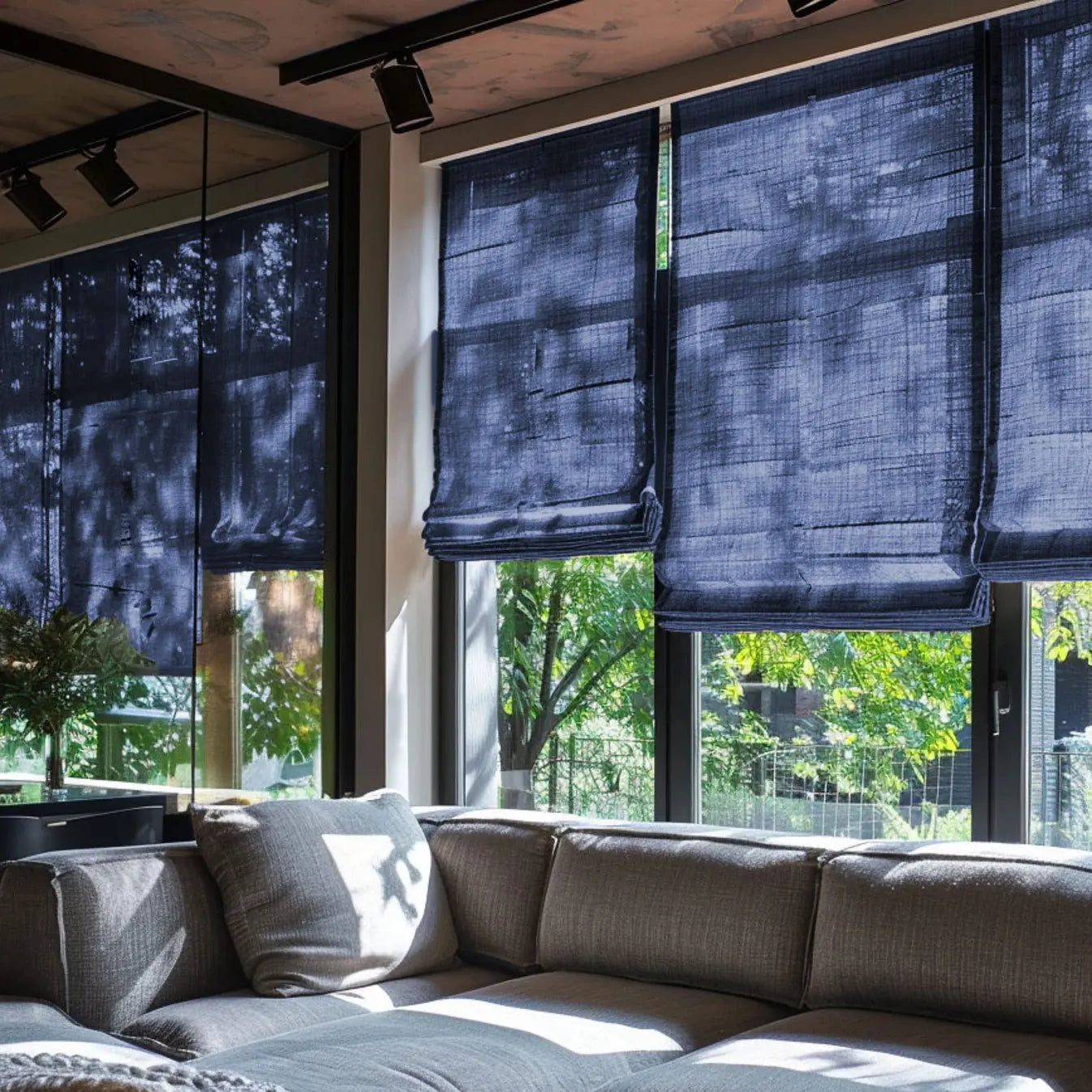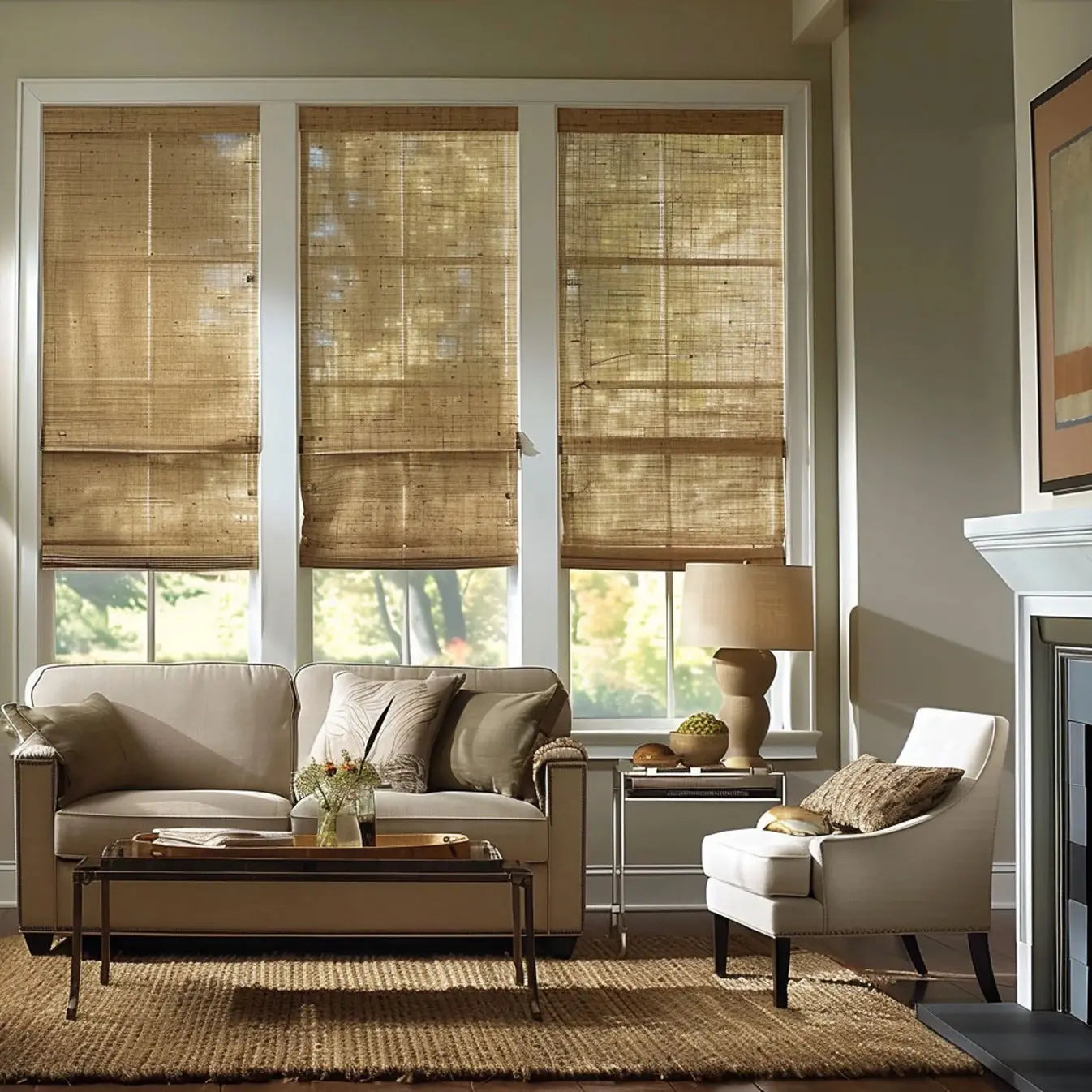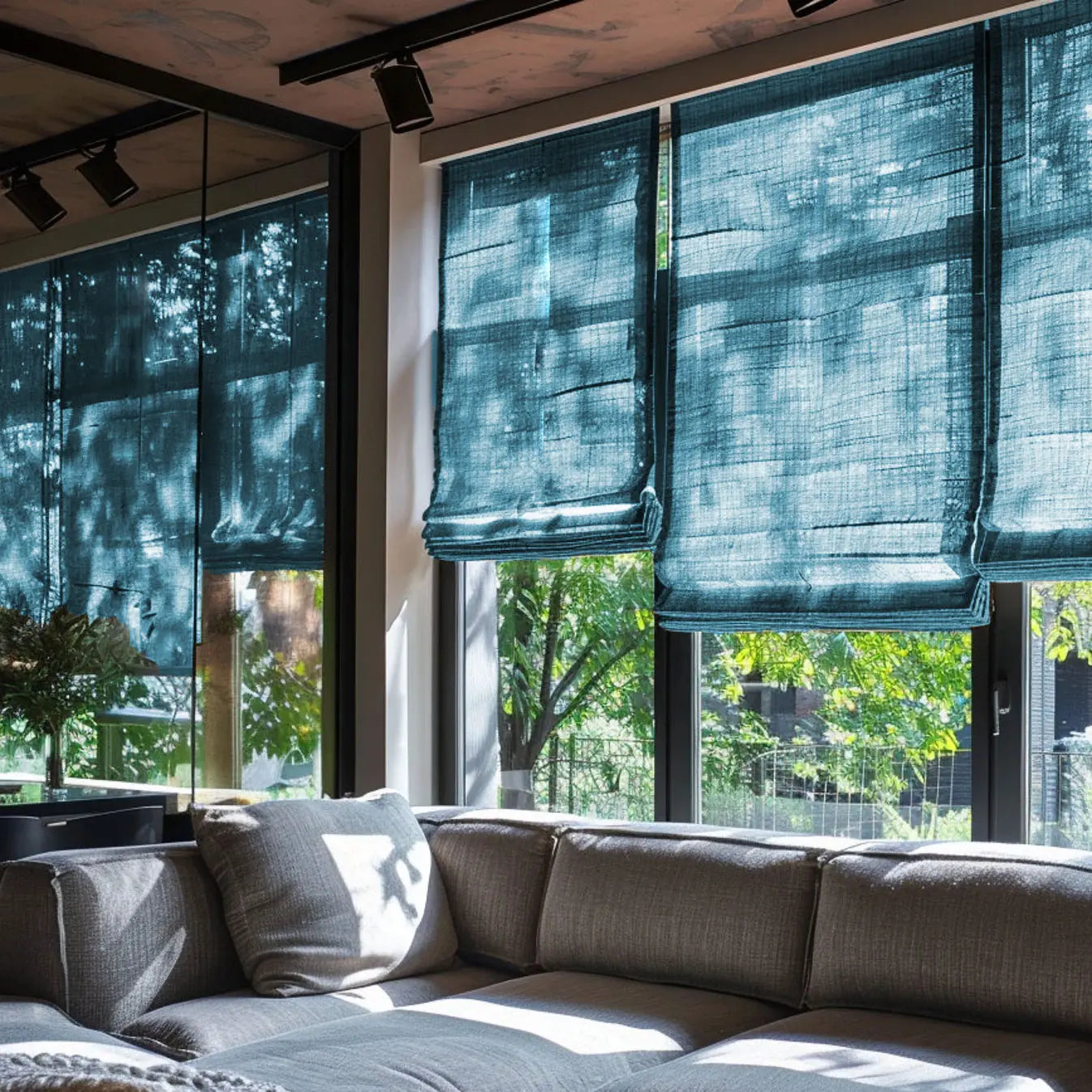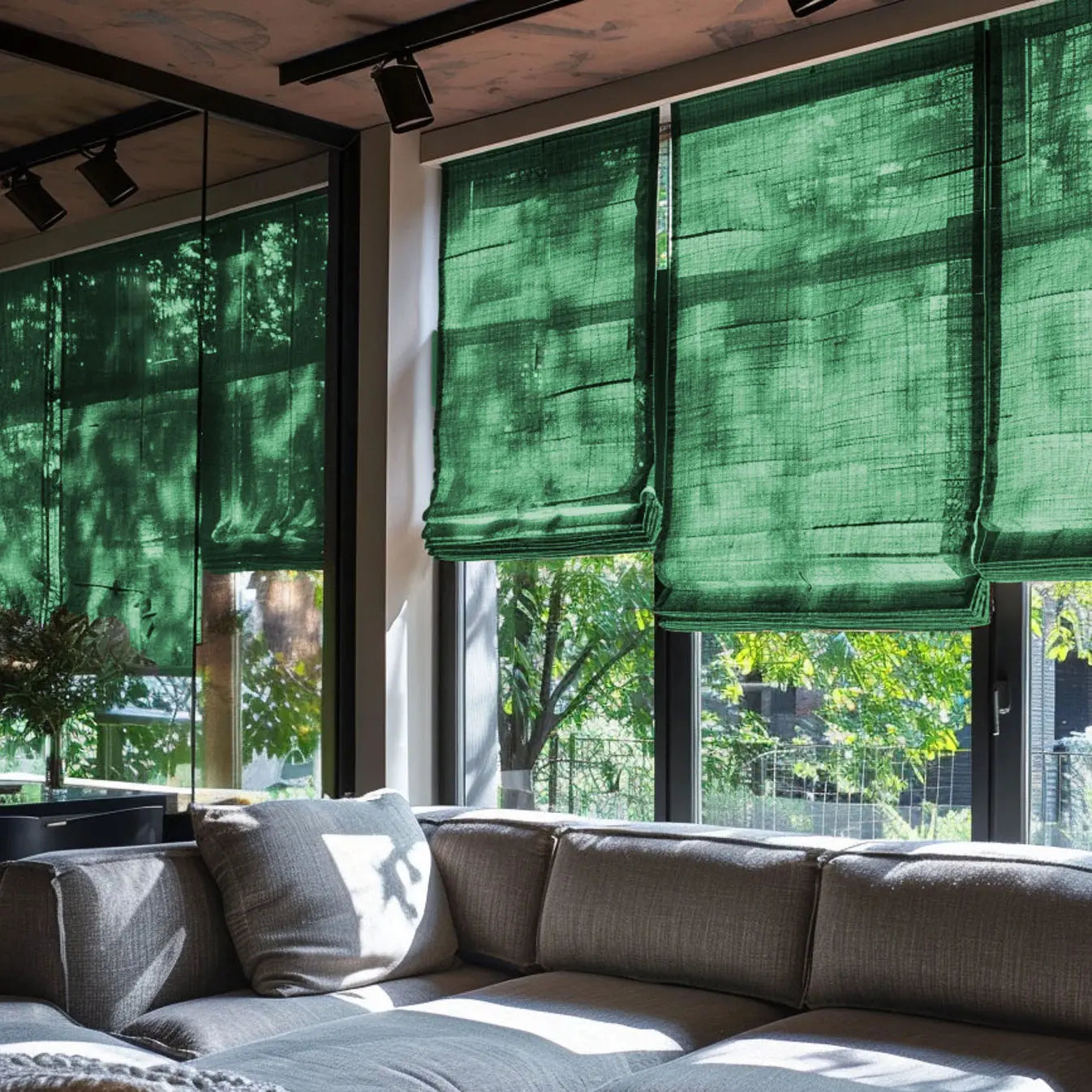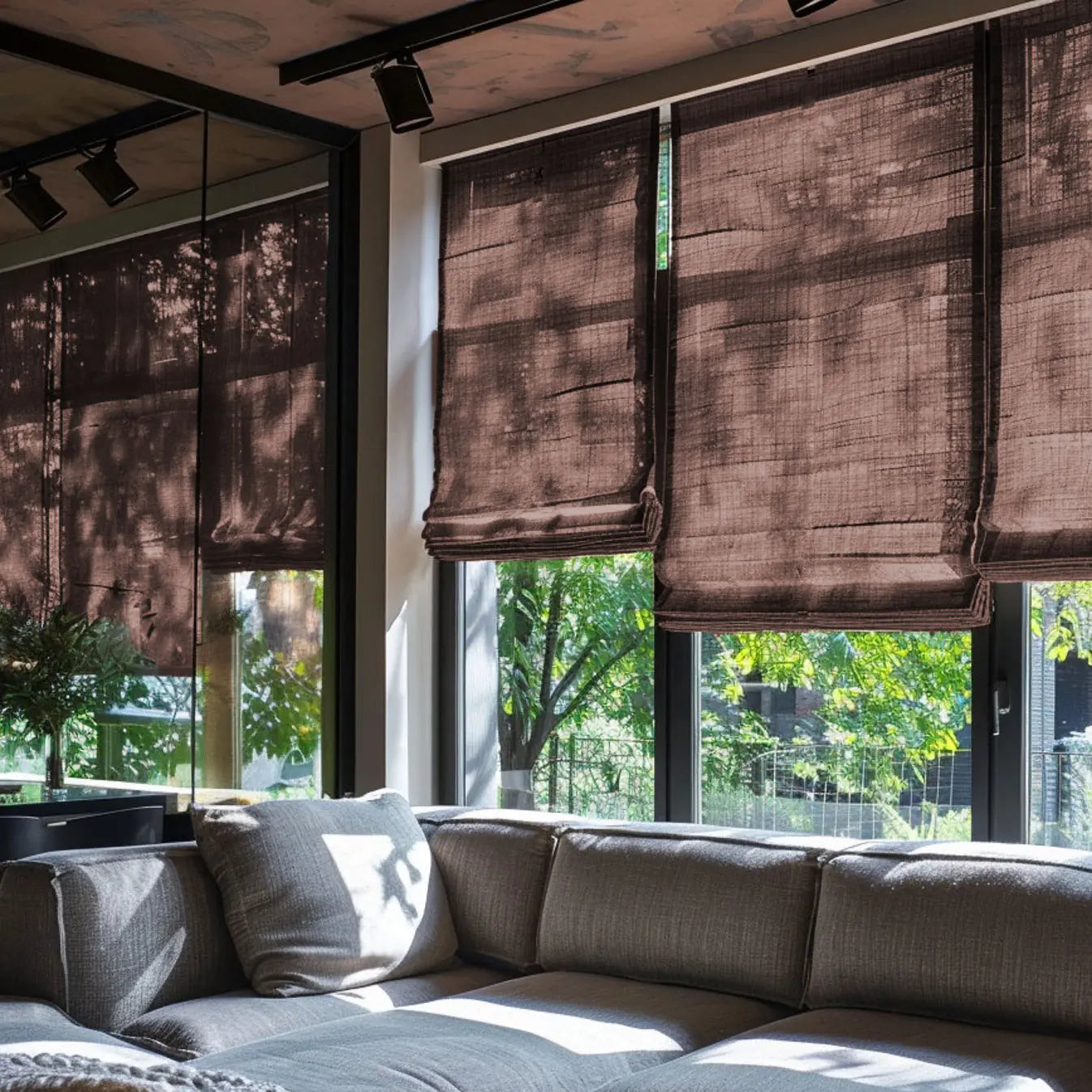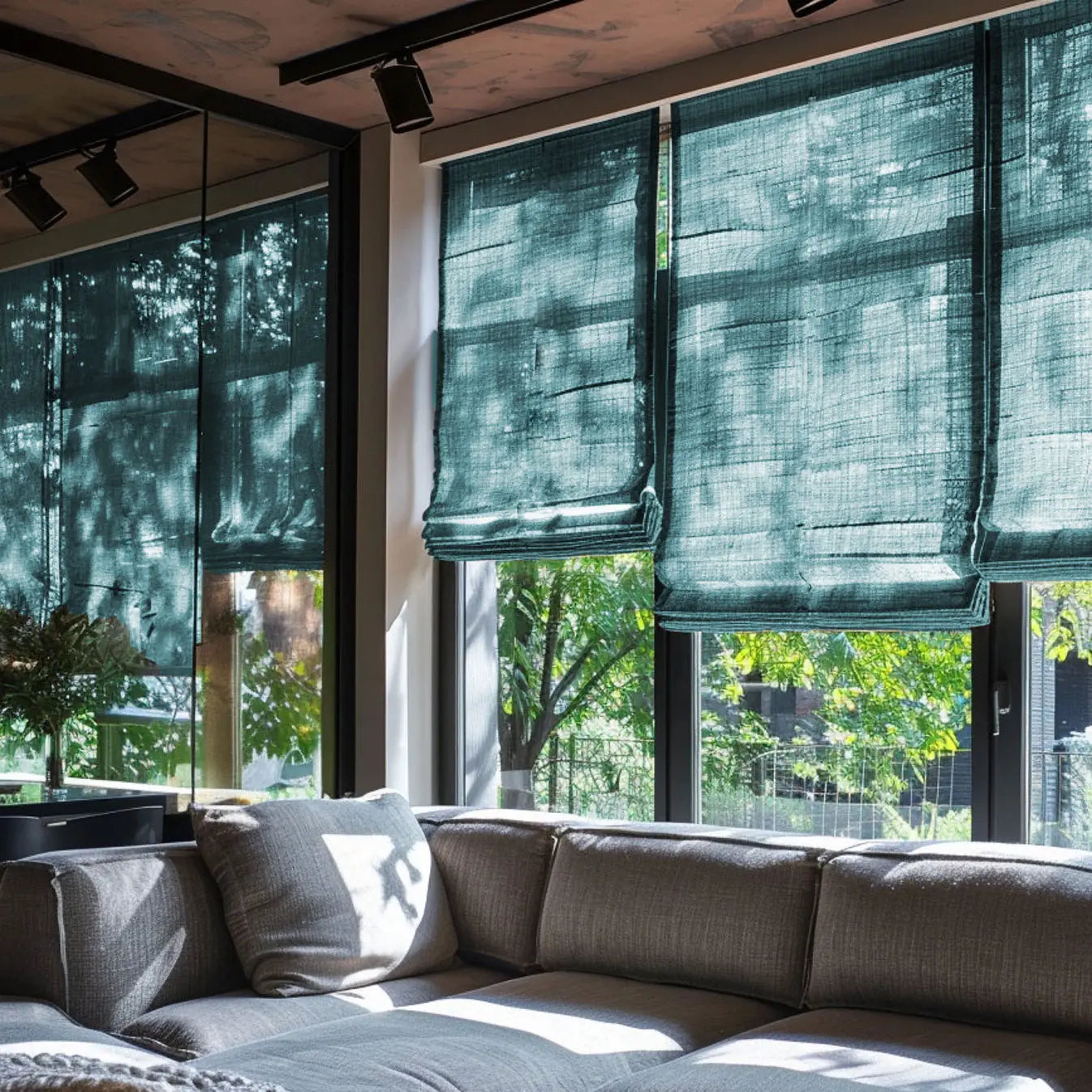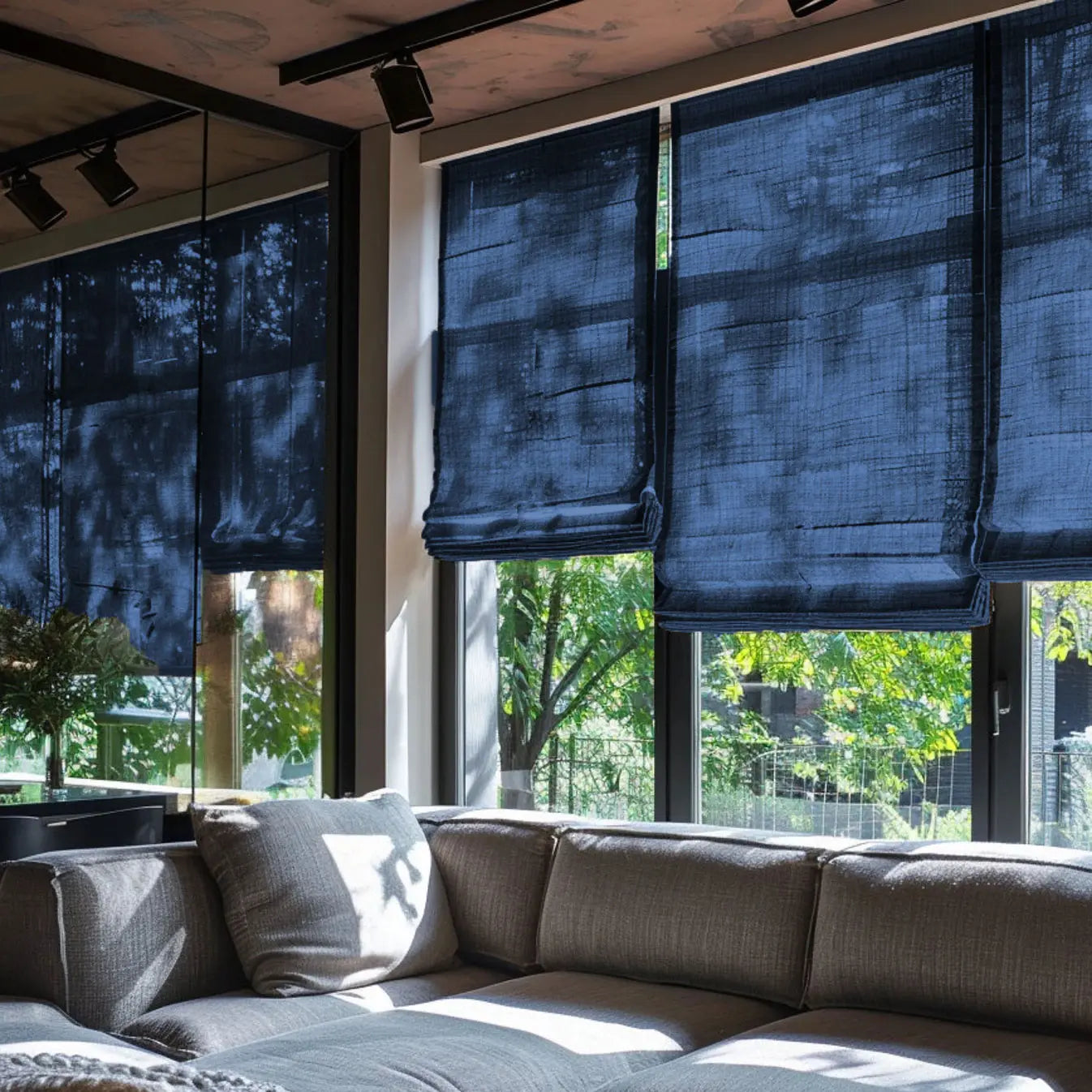
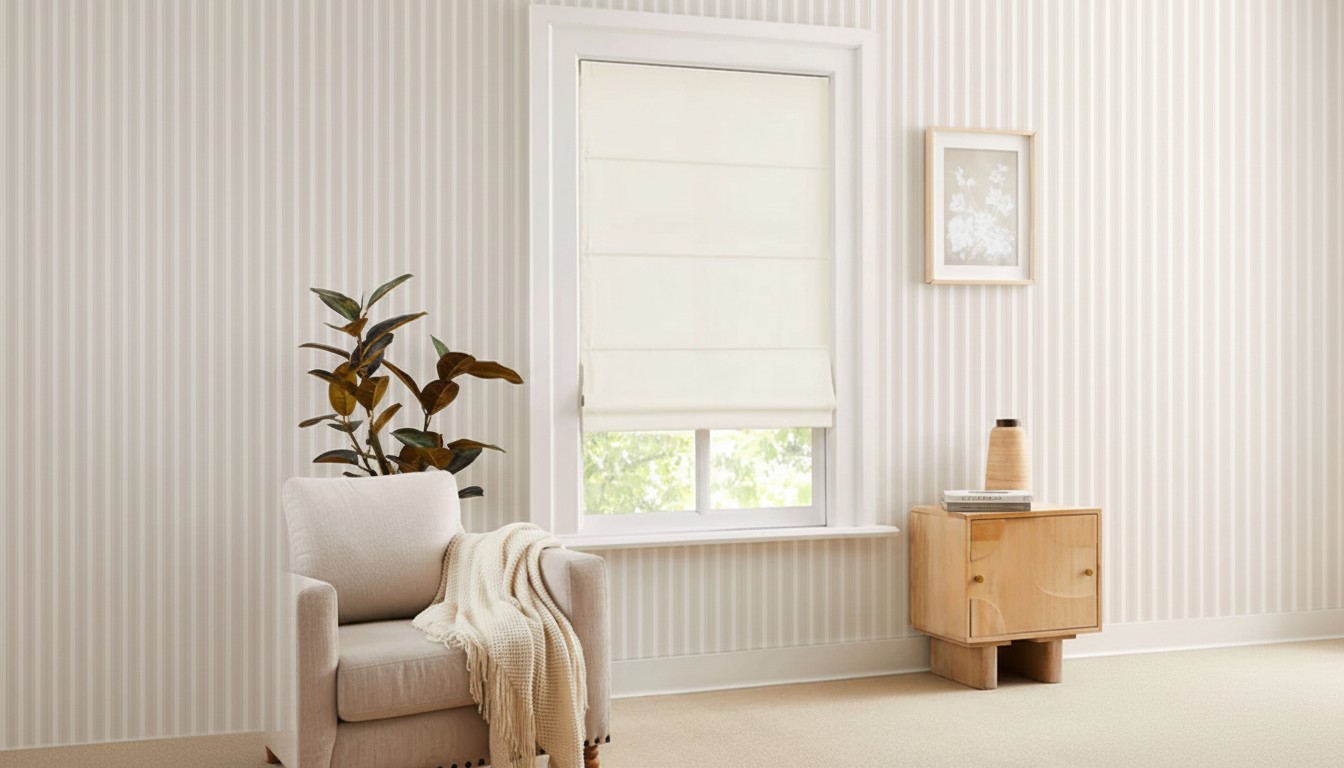
Curtains play a significant role in defining the aesthetic and functional atmosphere of a living space. When properly chosen and paired with furniture, they can transform any room into a comfortable and visually pleasing environment. Curtains are more than decorative textiles; they serve to diffuse light, establish privacy, frame windows, and add a sense of completeness to interior designs. Furniture, on the other hand, sets the structural theme of a space, and when textiles such as curtains are chosen to complement it, the result is a harmonious and inviting interior.
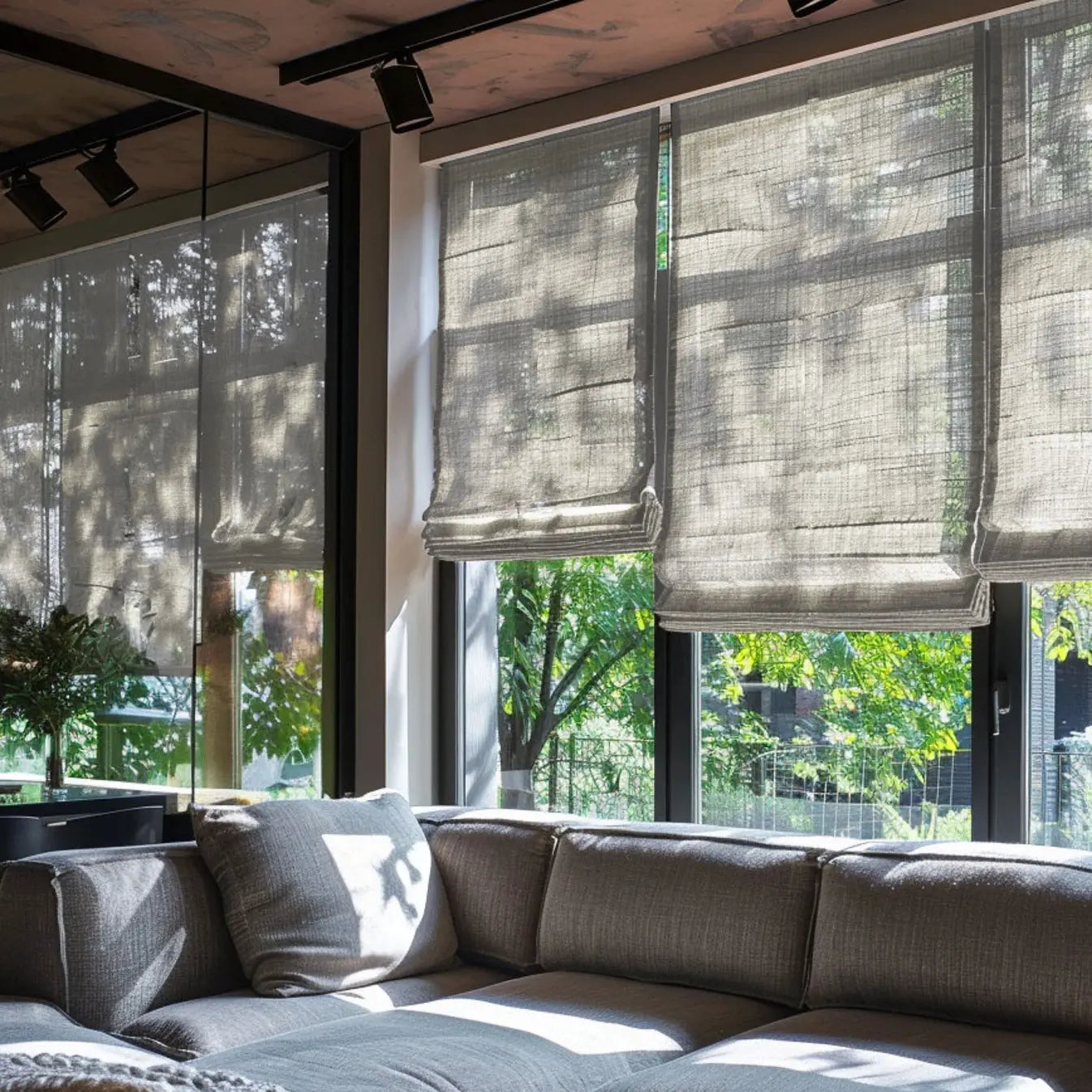
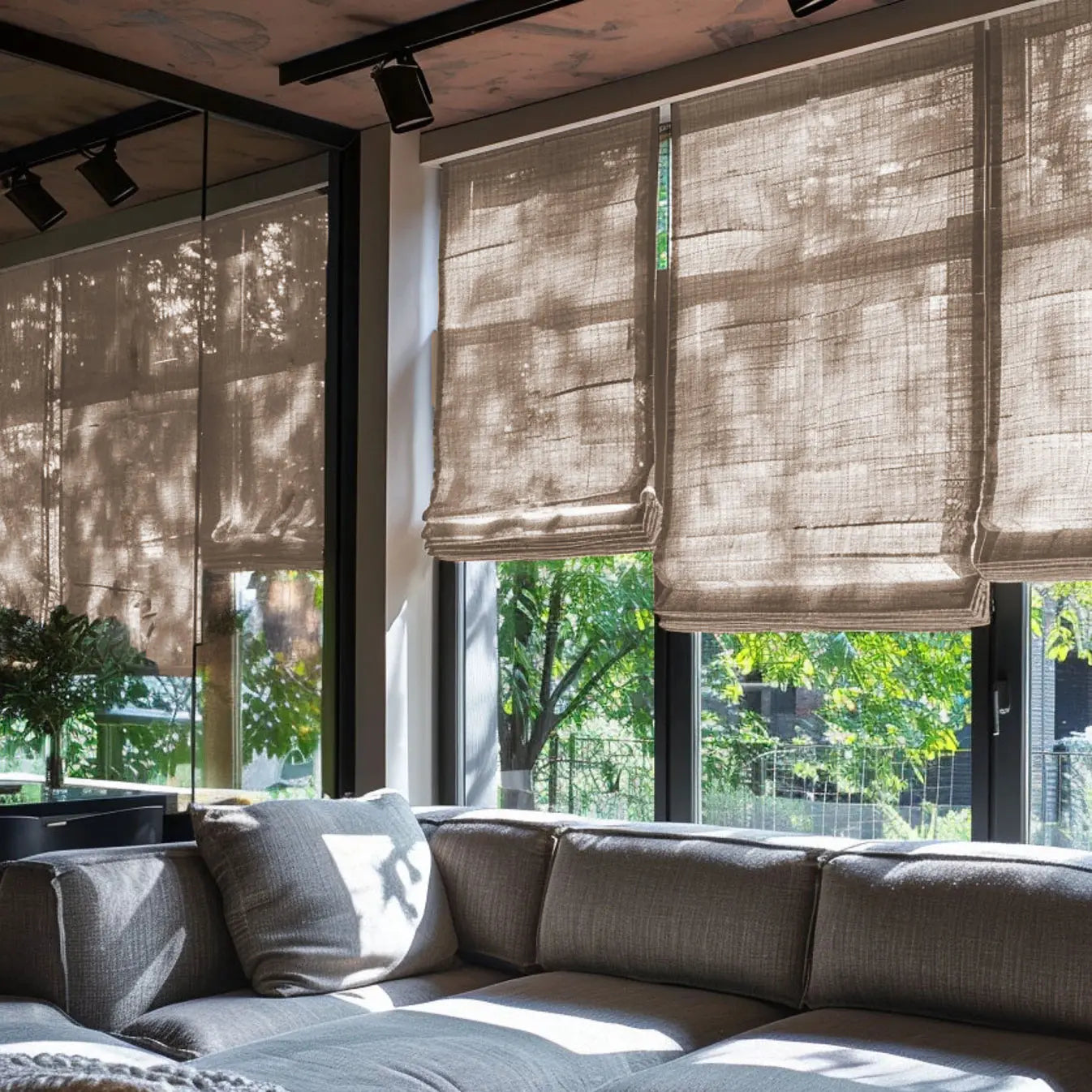
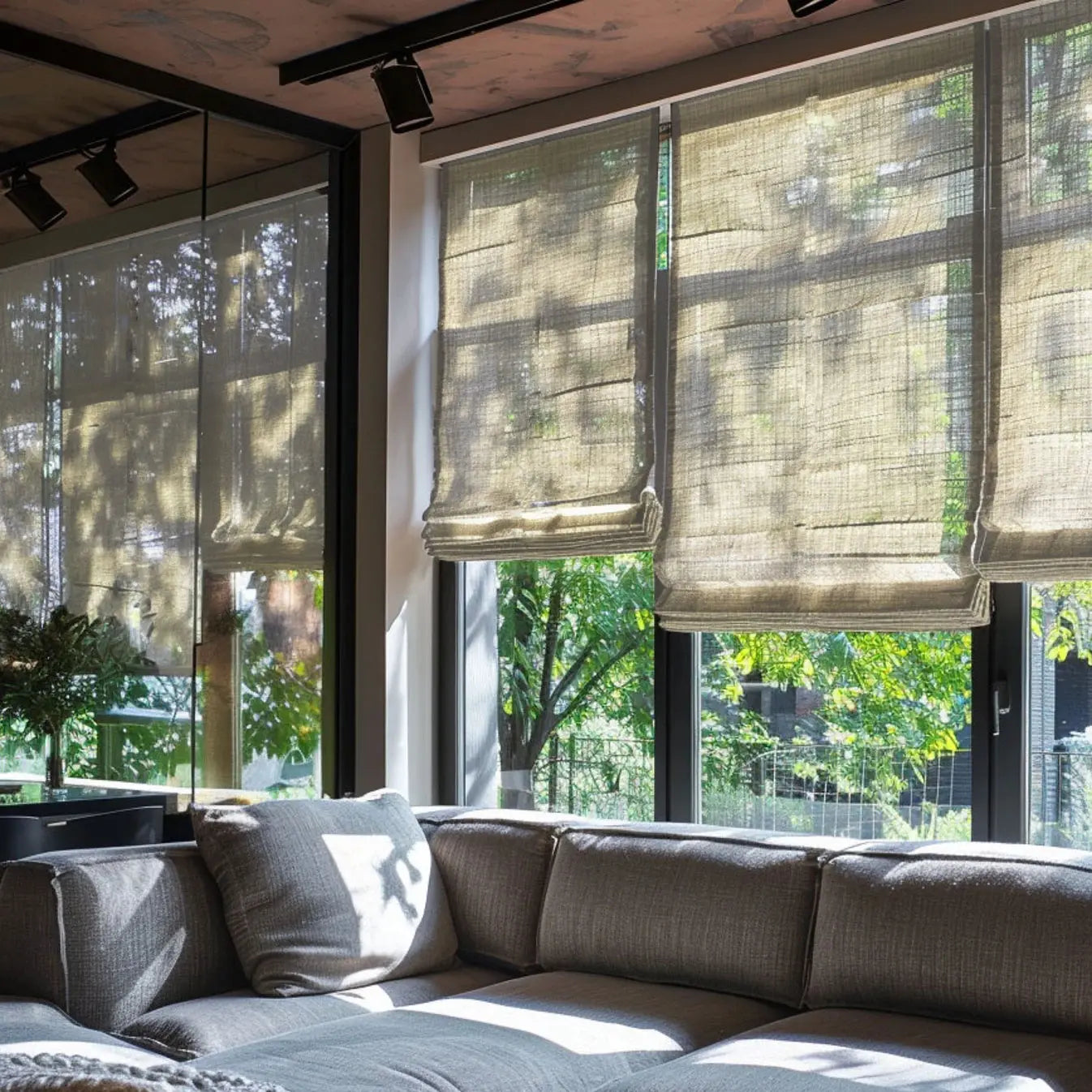
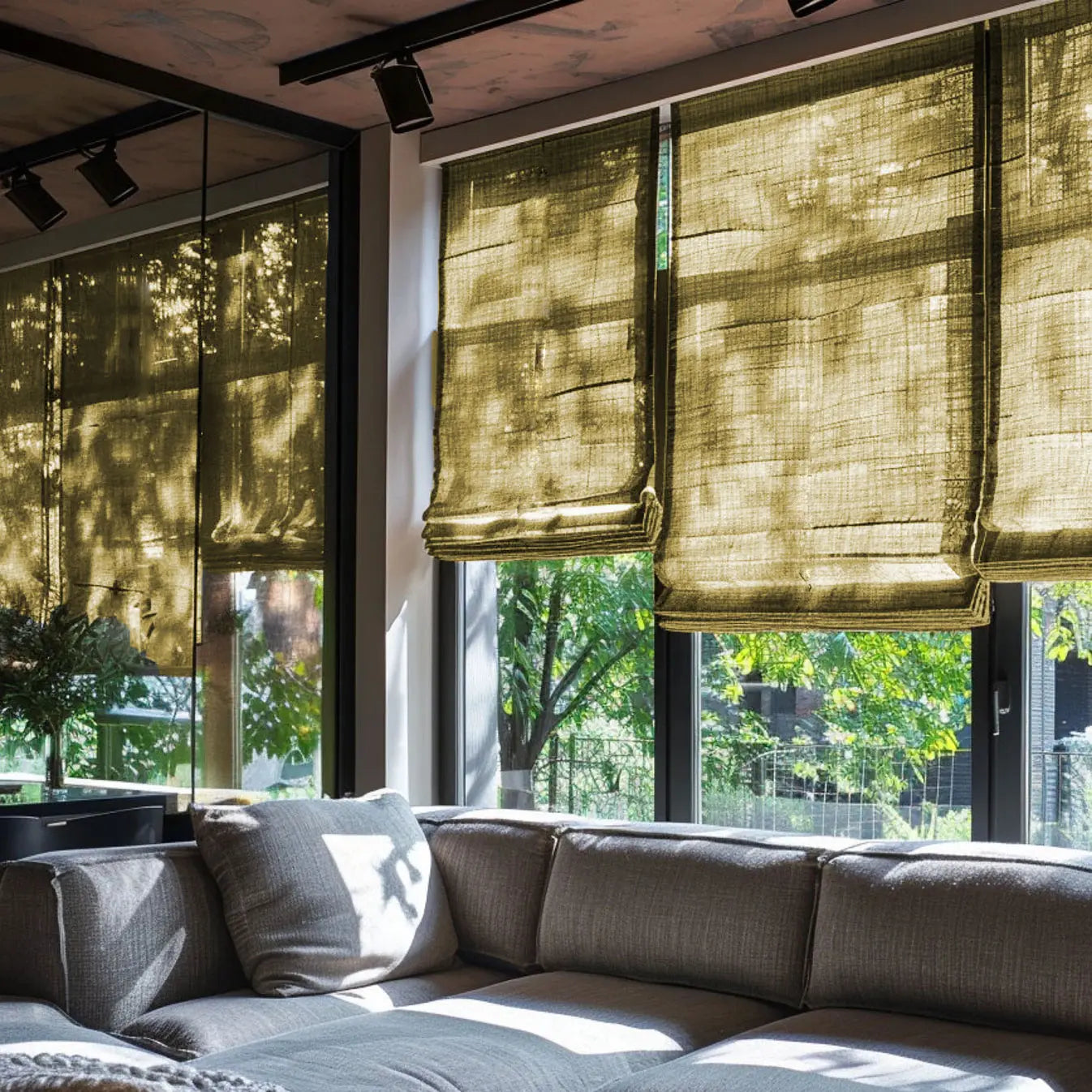
One of the most important aspects of pairing curtains with furniture is selecting the right fabric and texture. Heavy fabrics like velvet or thick woven textiles are ideal for spaces where privacy and light control are critical. These materials pair beautifully with traditional or upholstered furniture, adding weight and sophistication to the room. On the other hand, lighter materials such as linen, cotton blends, and sheers are perfect for casual living spaces or rooms that benefit from soft natural light. When lightweight curtains are paired with wooden furniture or minimalist sofas, they create an airy, relaxed feel.
Beyond material choice, color coordination is essential for ensuring that curtains and furniture work well together. Neutral shades such as beige, ivory, or slate gray are versatile and can bridge different furniture styles. Neutral curtains often allow other elements like bold furniture or unique accessories to stand out without overwhelming the space. Conversely, bold patterns and colors can serve as accent points in a room with neutral or understated furniture. Rich jewel tones, geometric patterns, or floral prints can create striking visual interest when used thoughtfully.
Window size and design also influence the choice of curtains. For floor-to-ceiling windows that offer wide views or make architectural statements, long drapery panels that reach the floor add a sense of luxury and height. These pairs especially well with tall bookcases, plush sofas, or elegant dining tables. Shorter windows or those in smaller rooms might benefit from curtains that just skim the window frame or that are layered with sheers to allow flexibility of light and privacy.
Layering curtains is another effective strategy that contributes to a cohesive furniture and curtain pairing. Sheer curtains can be installed closest to the window to diffuse natural light while maintaining privacy. Decorative panels or heavier drapes are then added as a second layer, which can be drawn shut for complete privacy or opened to enjoy the daylight. This layered approach adds depth and dimension to a room and complements a variety of furniture styles—from classic to contemporary.
Hardware and installation details, such as curtain rods and finials, also play an important role. High-quality rods made of metal or wood should reflect the visual style chosen for the space. For example, ornate brass or antique-finished rods can enhance traditional furniture, while sleek black or brushed nickel rods are ideal for modern aesthetics. Tiebacks and decorative holdbacks are functional details that can also enhance the overall design when coordinated with furniture accents such as cushions, throws, and decorative ornaments.
In living rooms designed for relaxation, curtains that echo the upholstery colors of sofas or accent chairs can unify the room’s theme. For example, a navy sofa paired with curtains featuring subtle navy threading or border details feels intentional and cohesive. In bedrooms, layering blackout curtains with decorative panels can provide both restful darkness and elegant style. Pairing such curtains with a bed frame that reflects the same style—be it modern, rustic, or transitional—creates a sense of harmony.
Curtains also serve an acoustic purpose, absorbing sound and reducing echoes in large rooms with high ceilings. When paired with upholstered furniture like plush sectionals or cushioned lounge chairs, this combination enhances comfort and gives the space a calming, serene atmosphere.
In conclusion, curtains and furniture should not be treated as separate design elements. When thoughtfully selected and paired, they work in harmony to elevate the overall home aesthetic. By considering fabric choice, color coordination, window size, layering strategies, and hardware details, homeowners can create rooms that feel unified, comfortable, and visually compelling. Curtains and furniture, when paired thoughtfully, transform ordinary living spaces into refined, inviting homes.