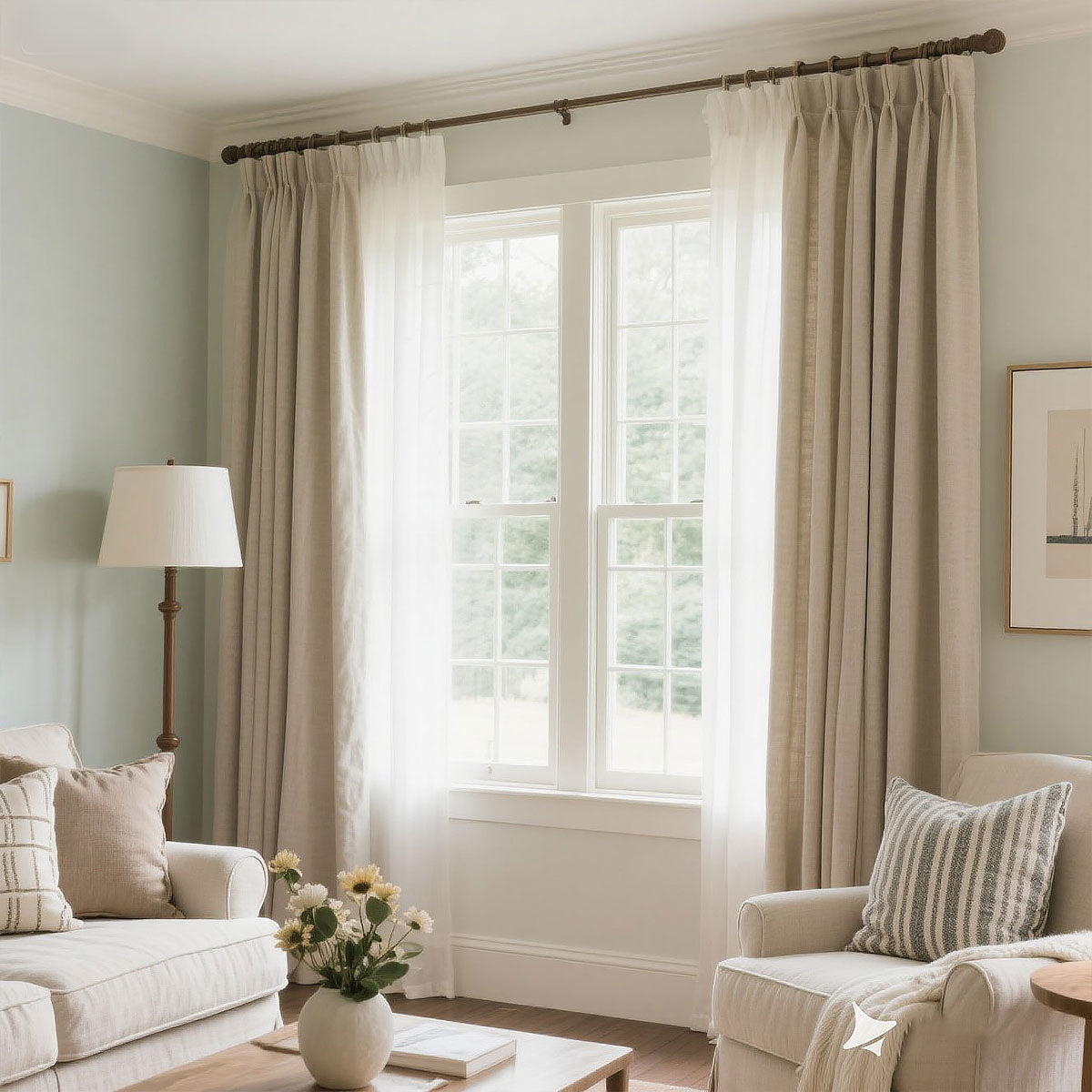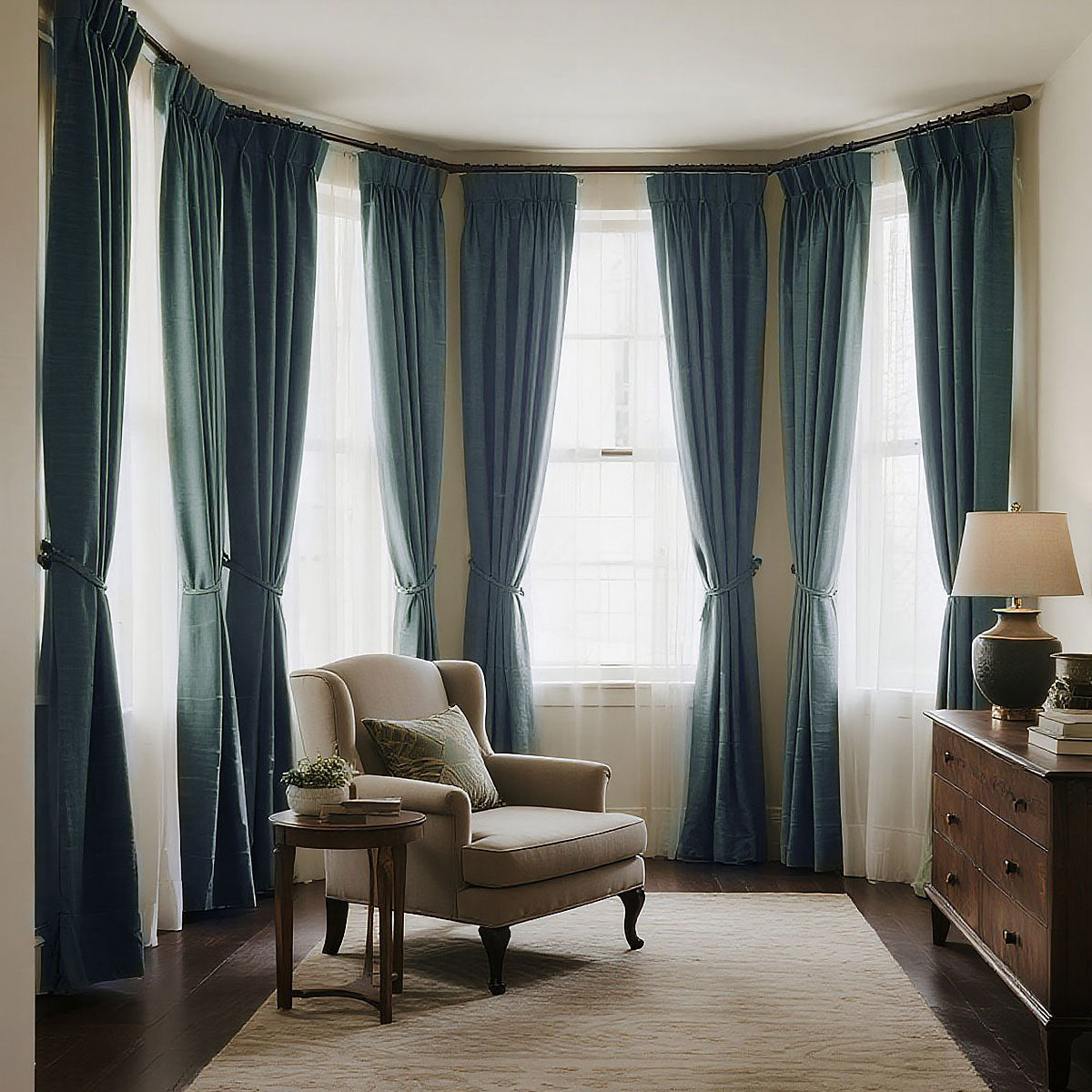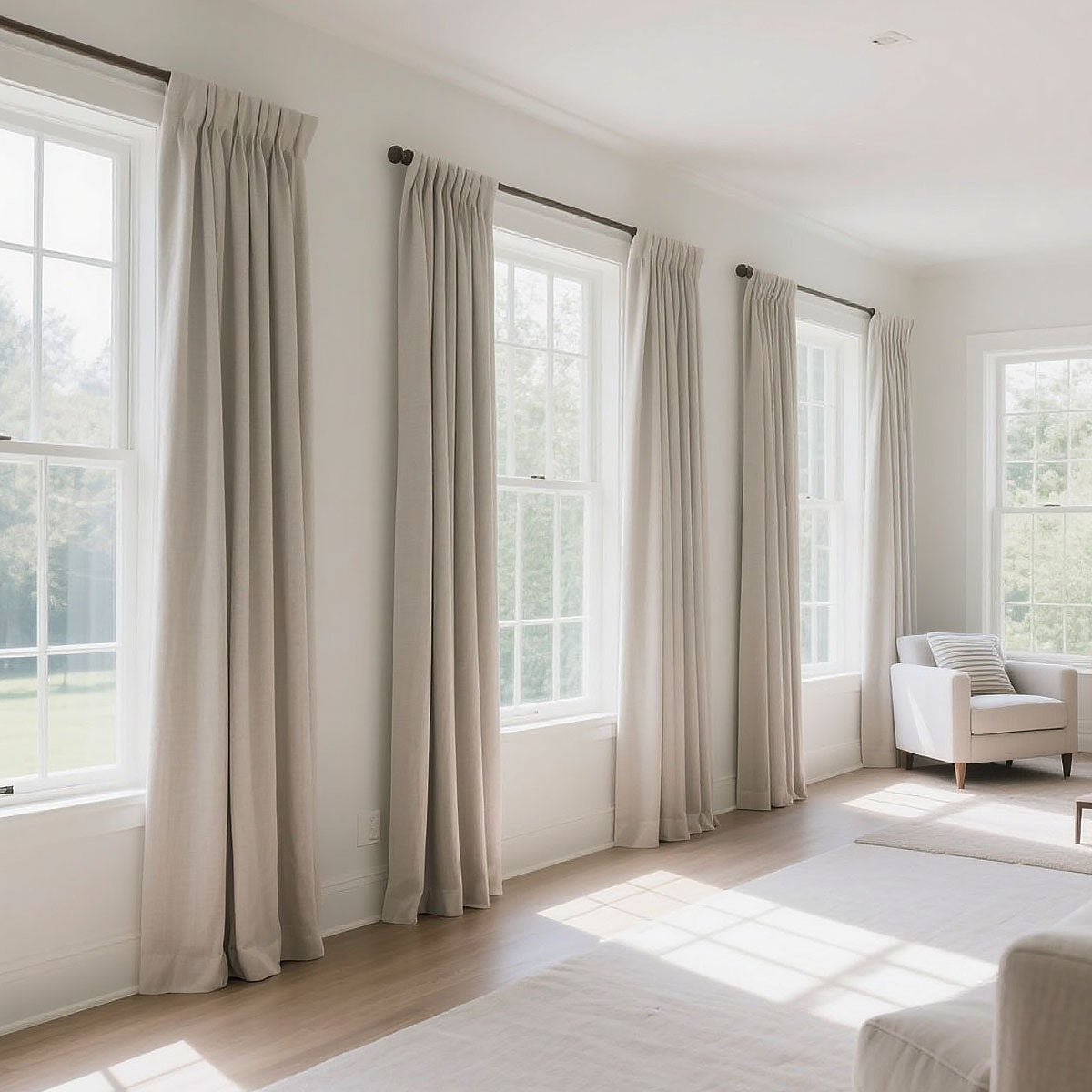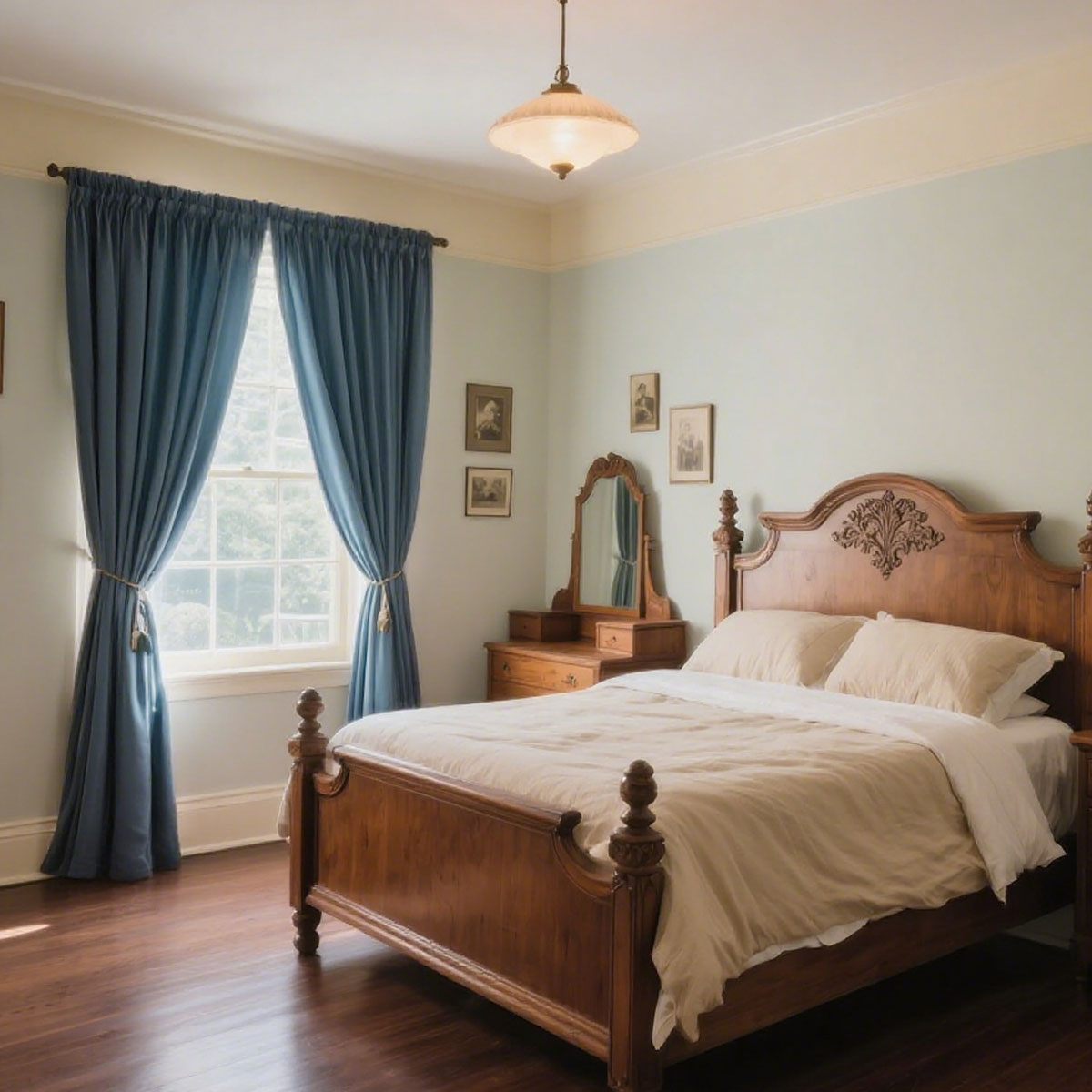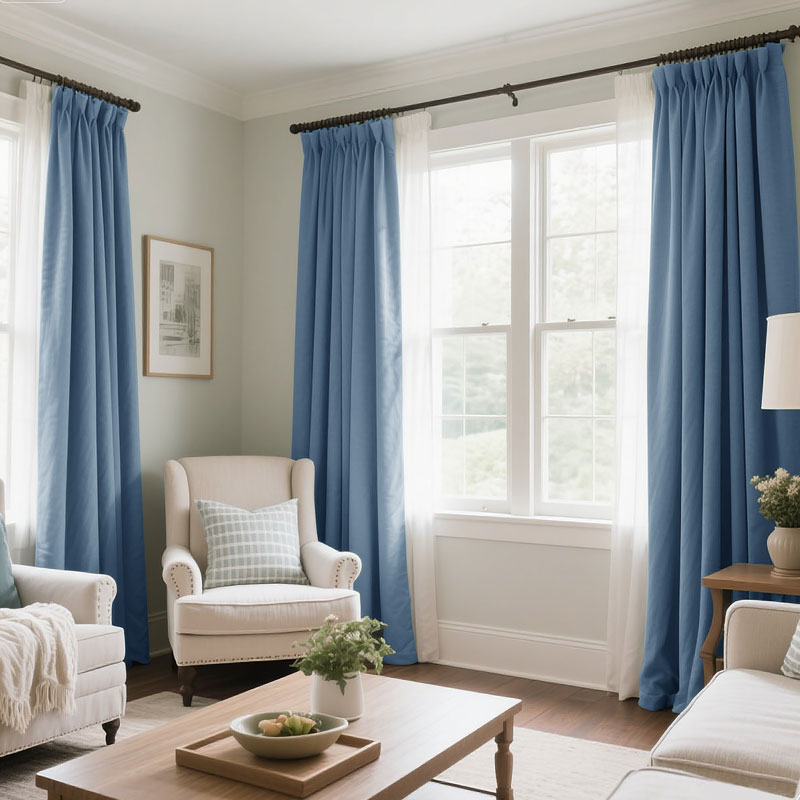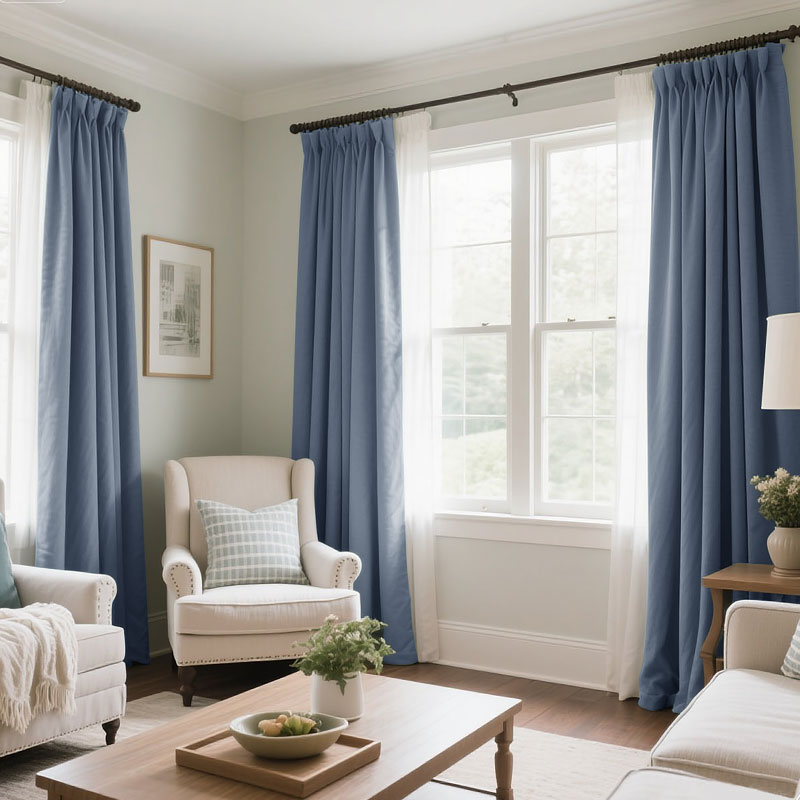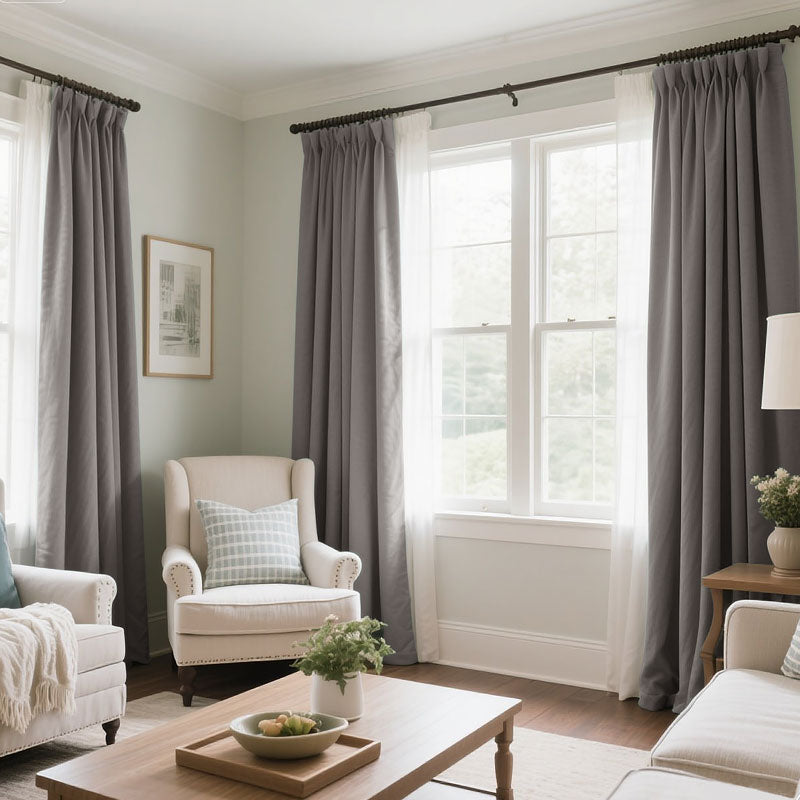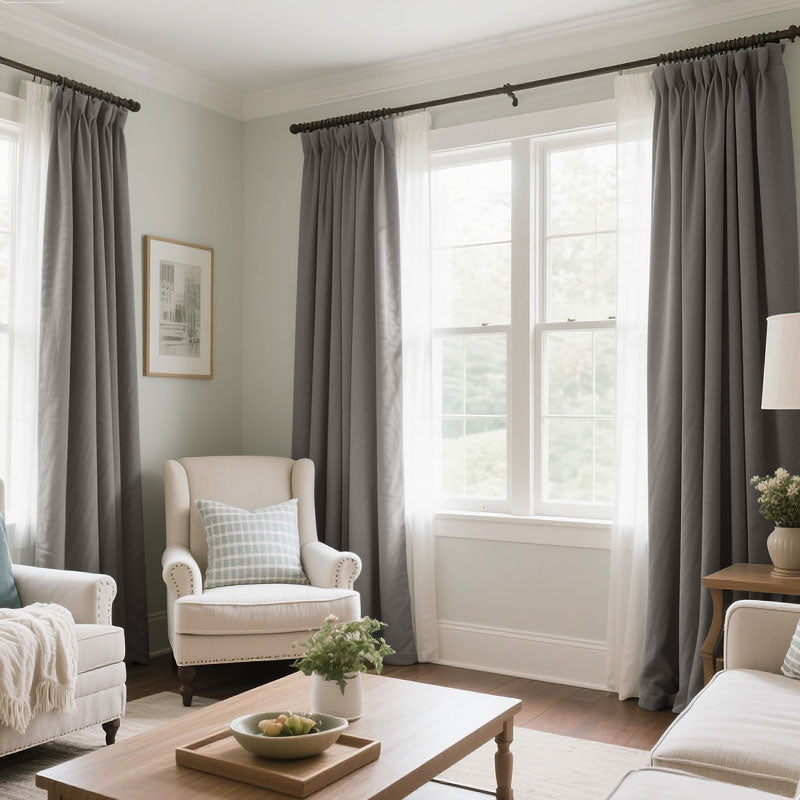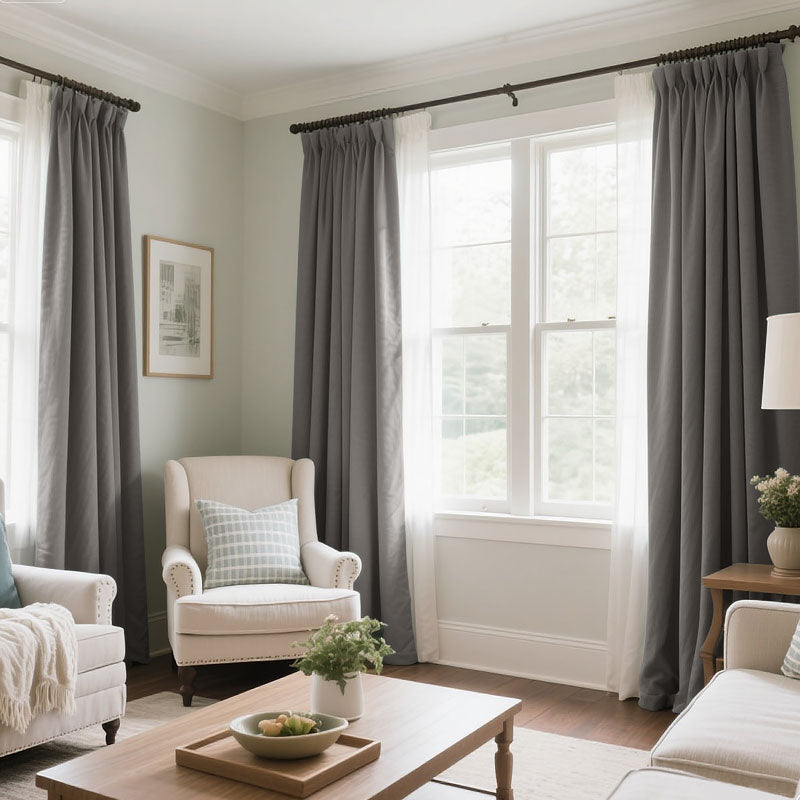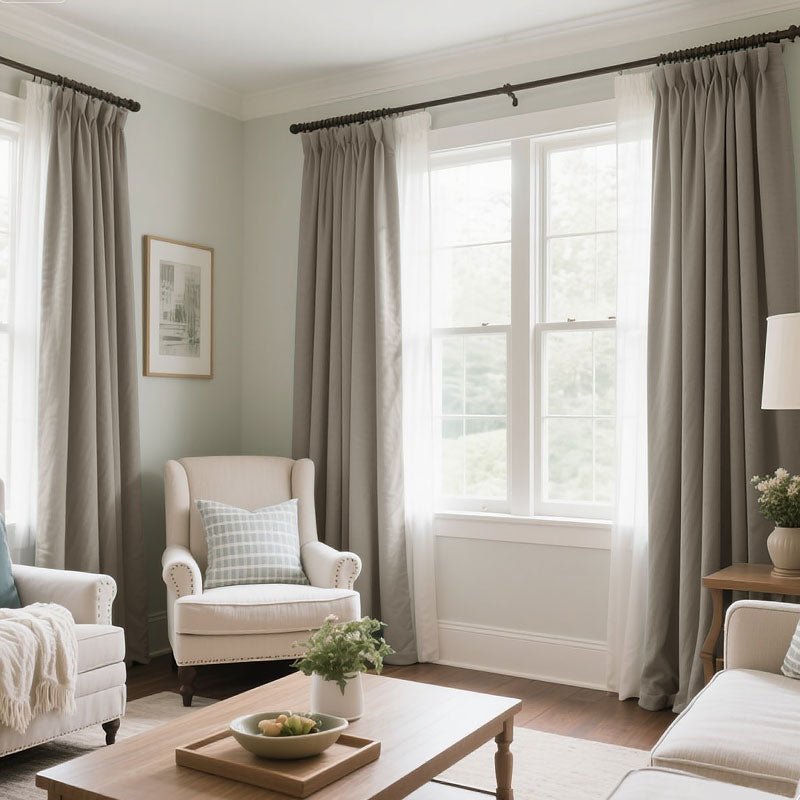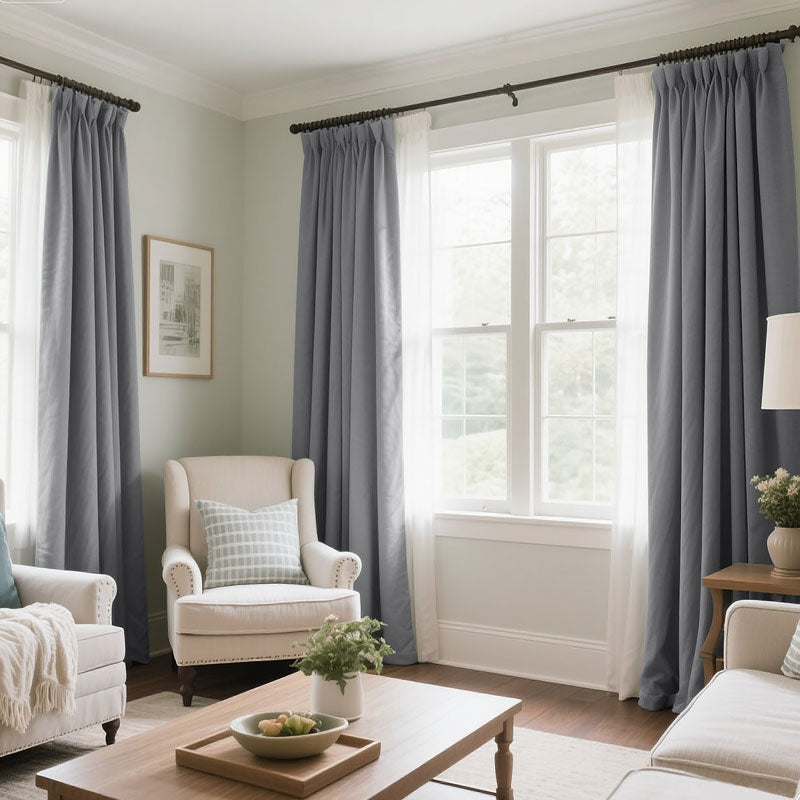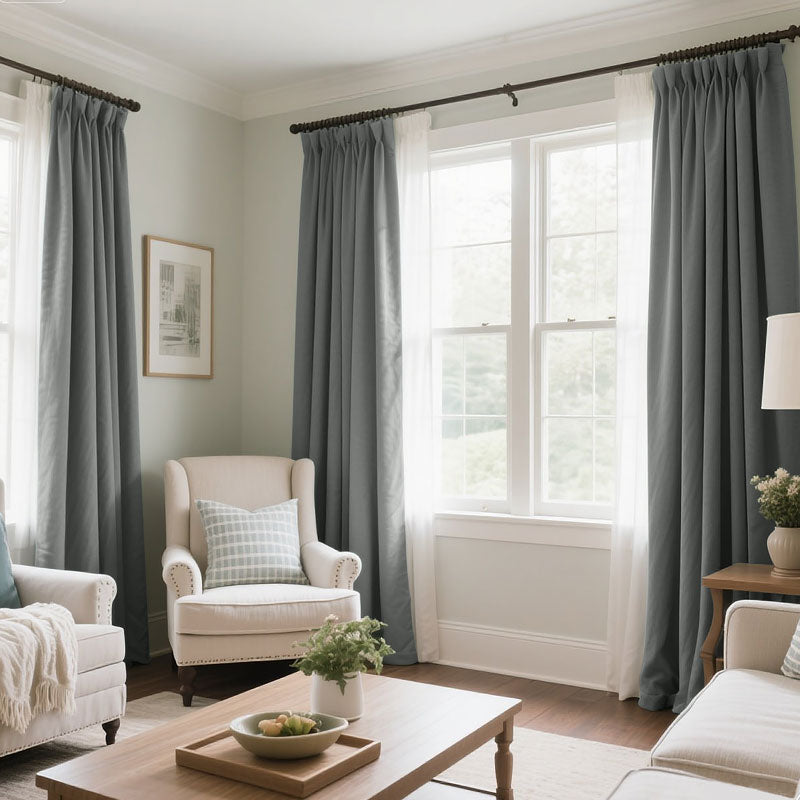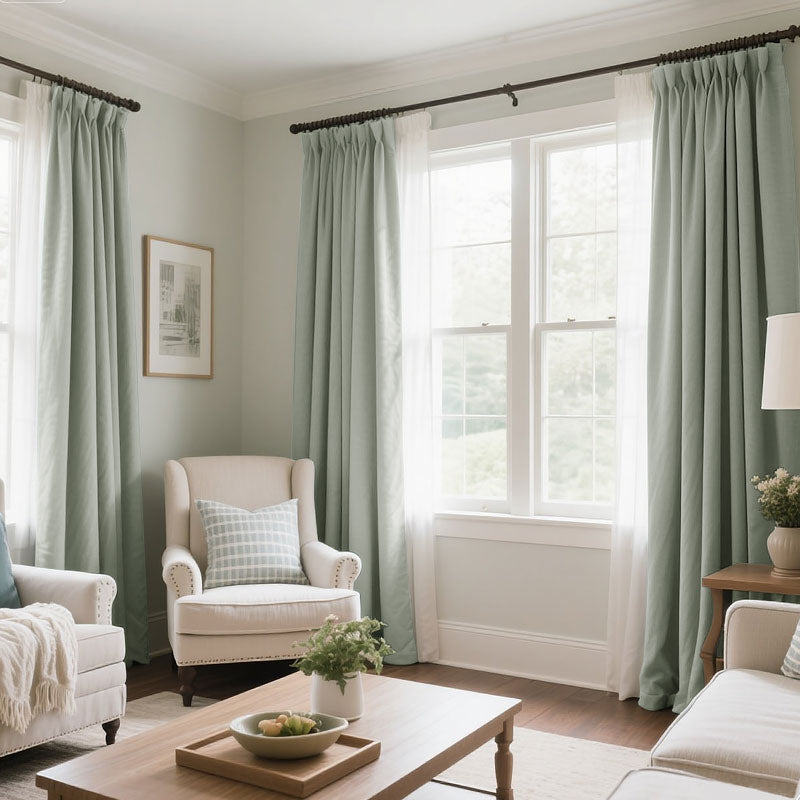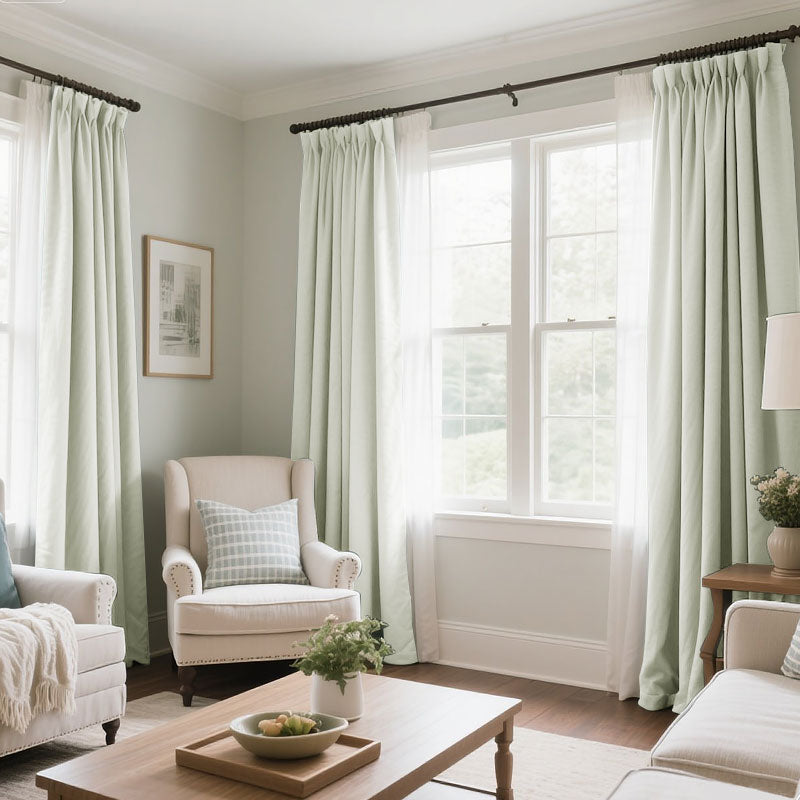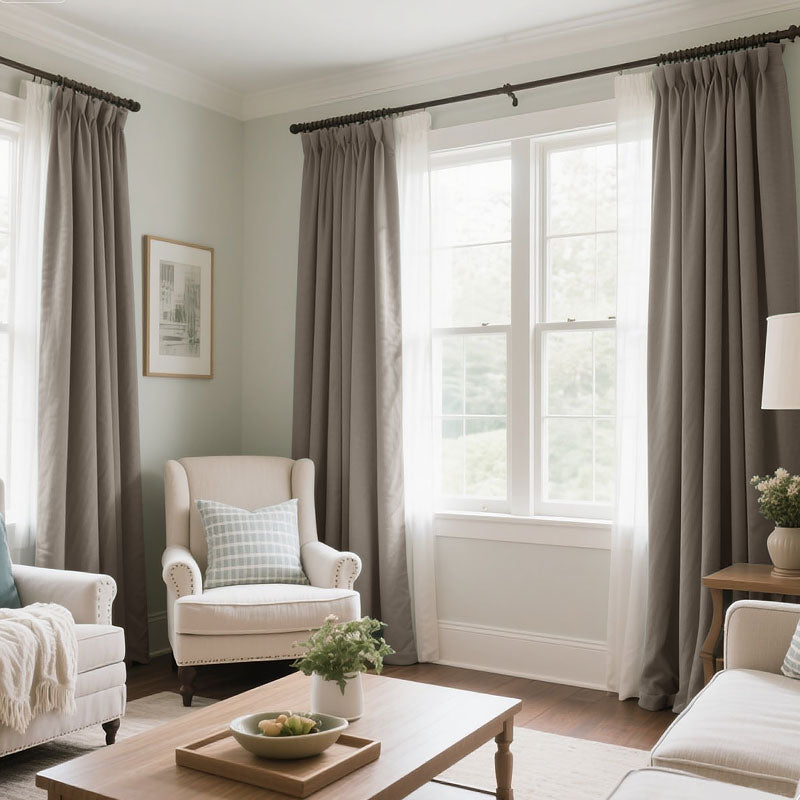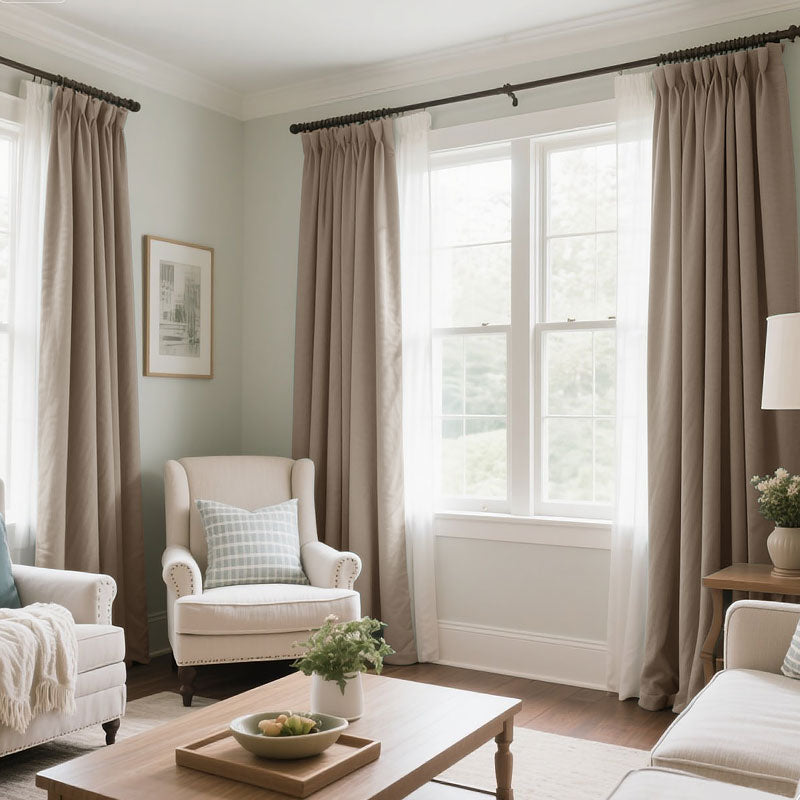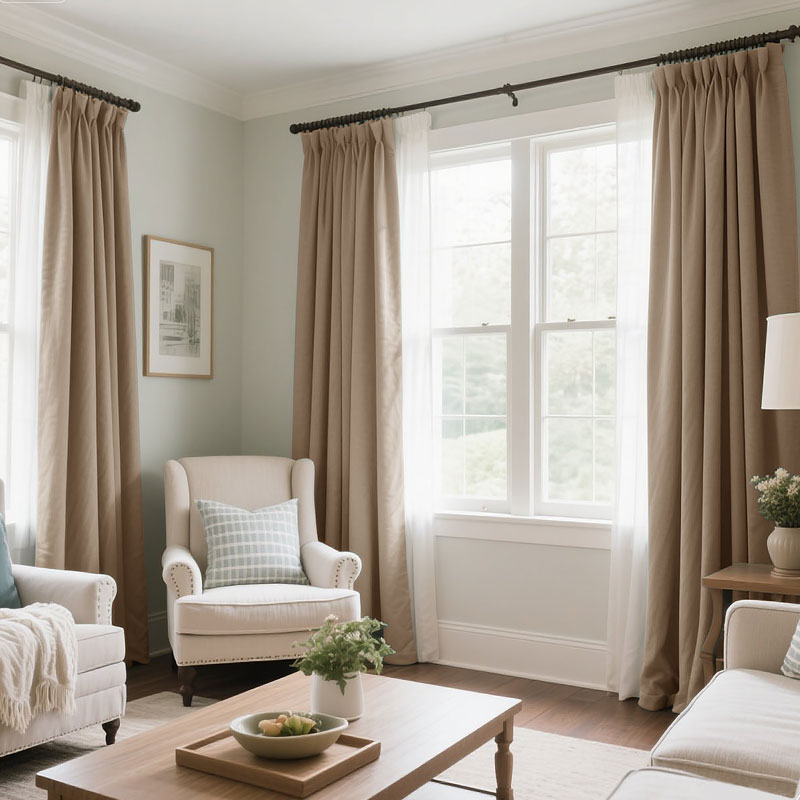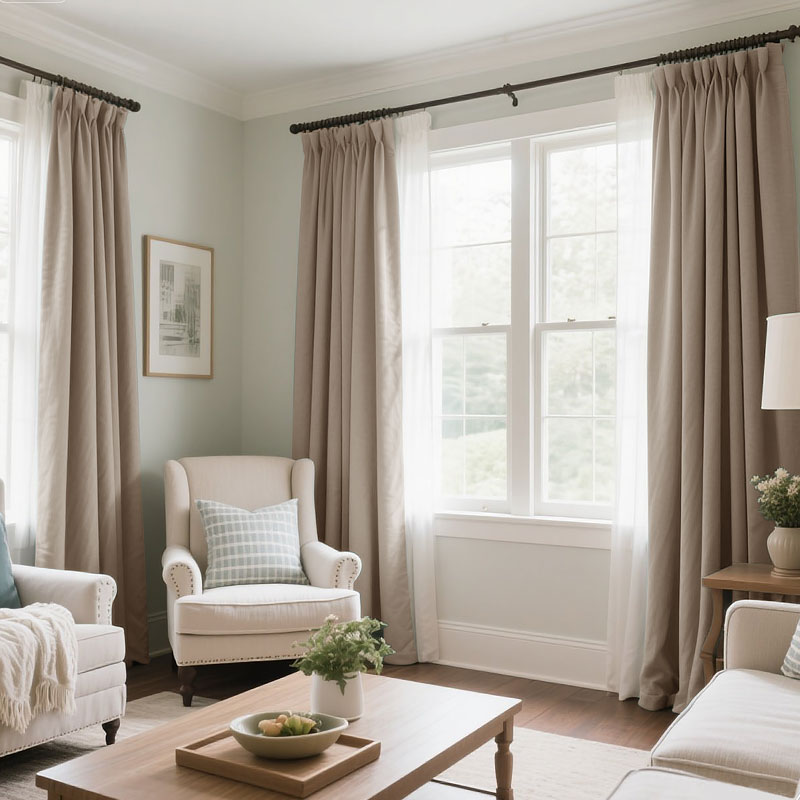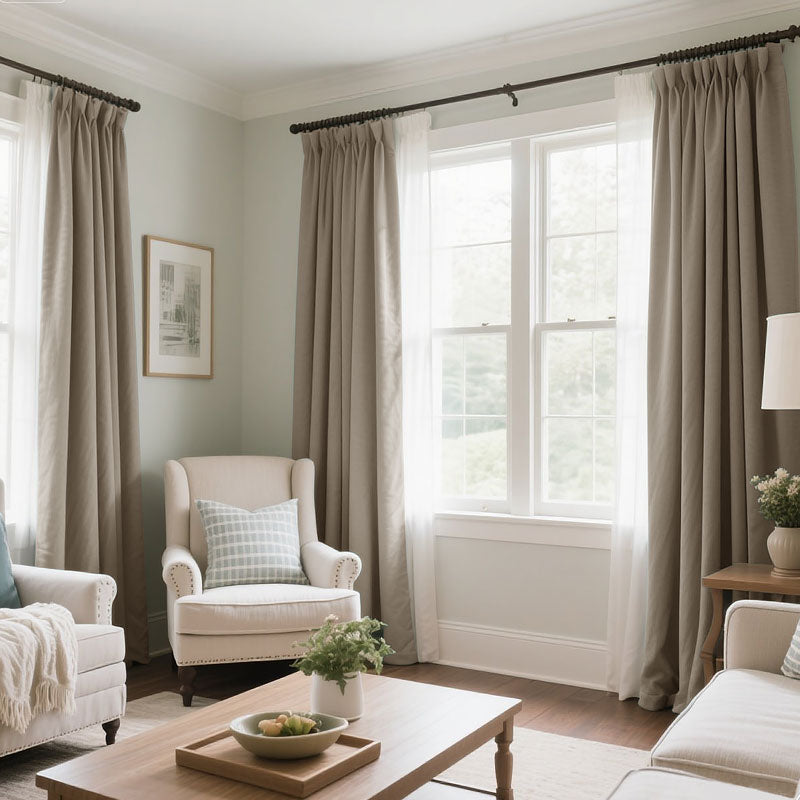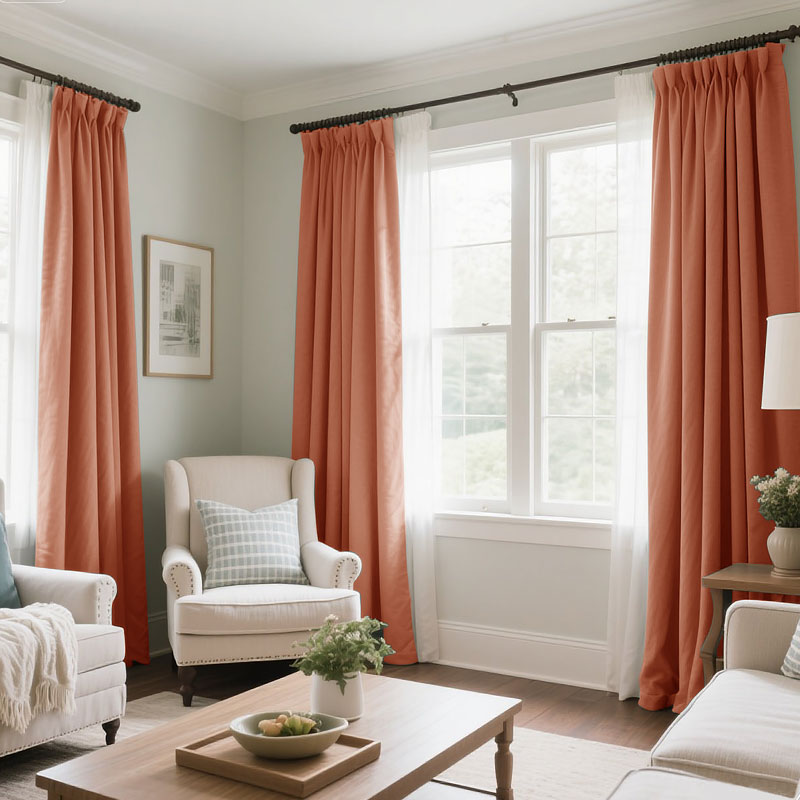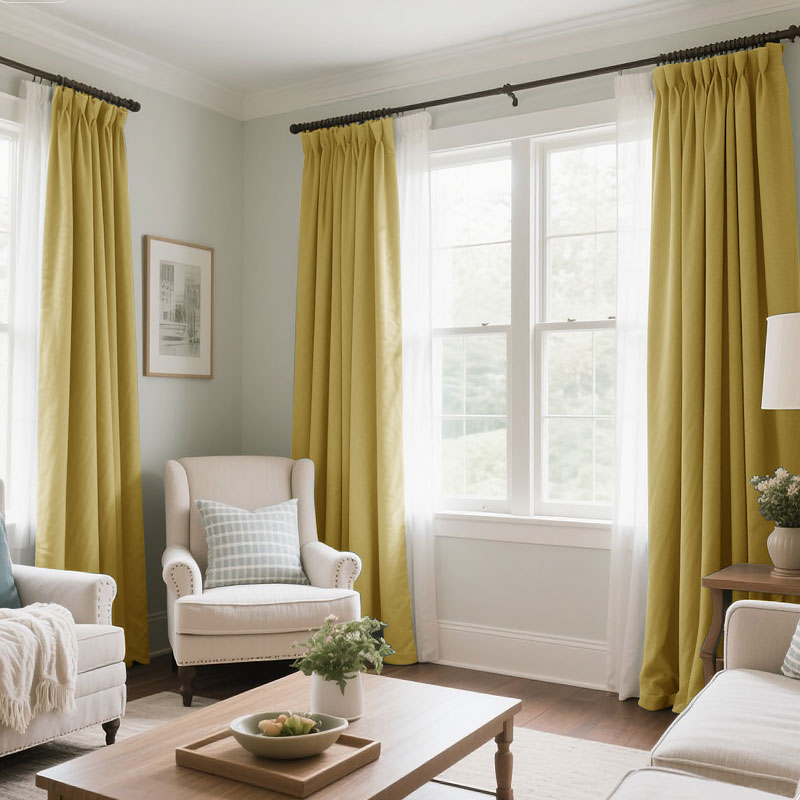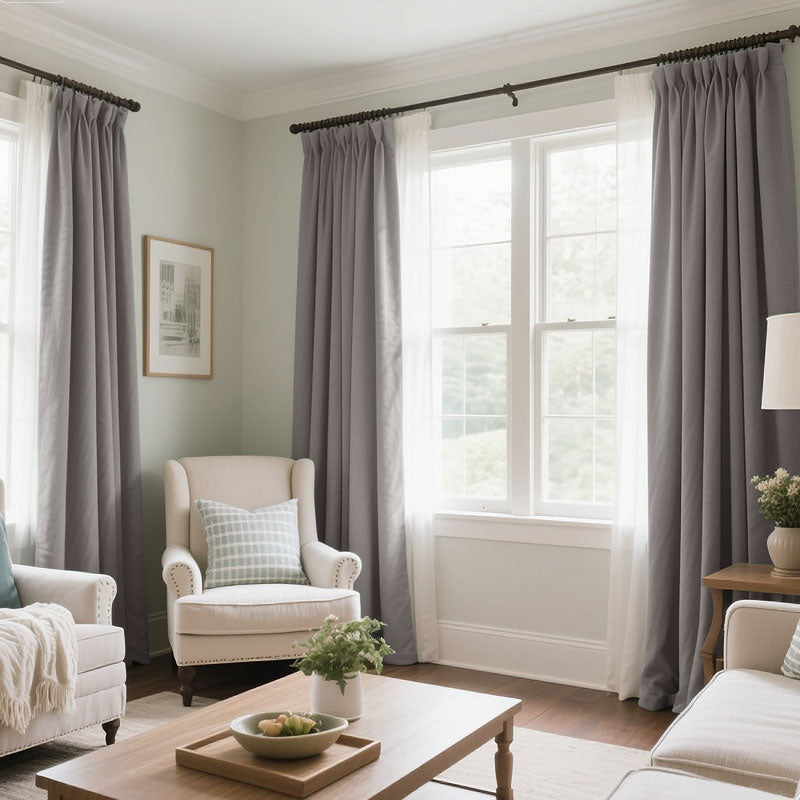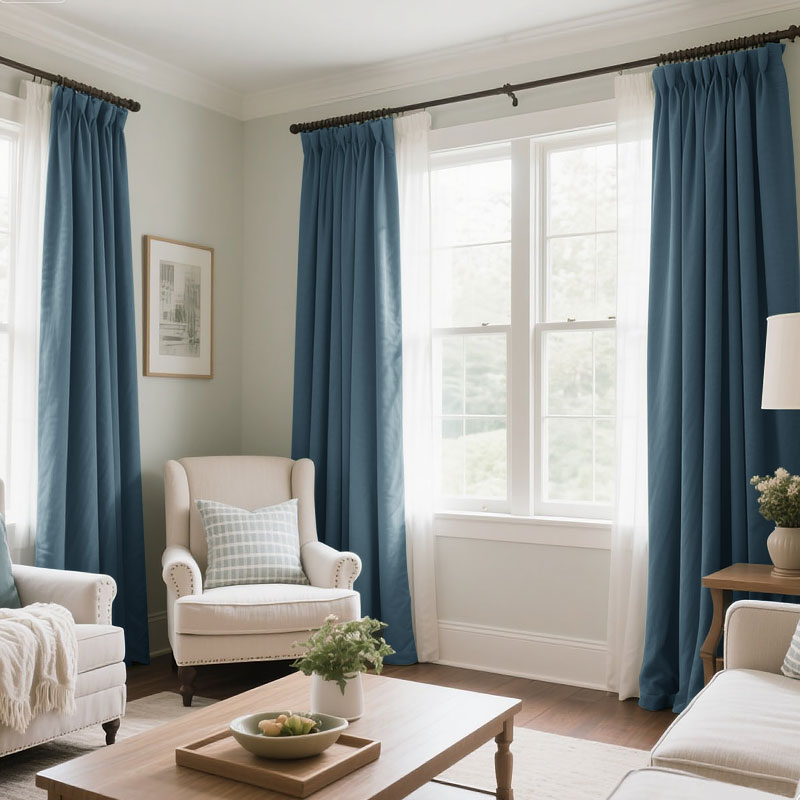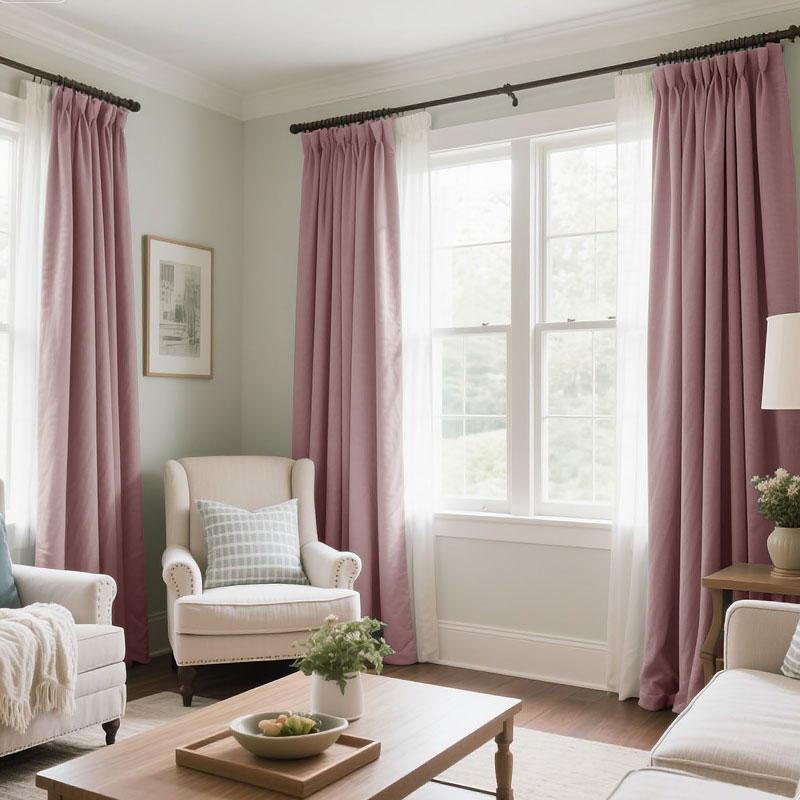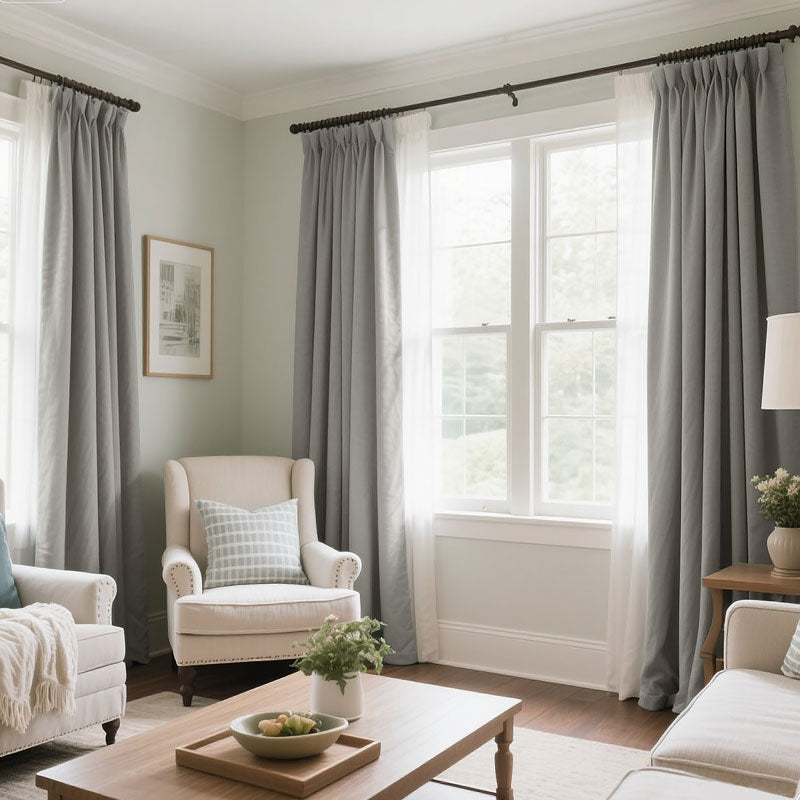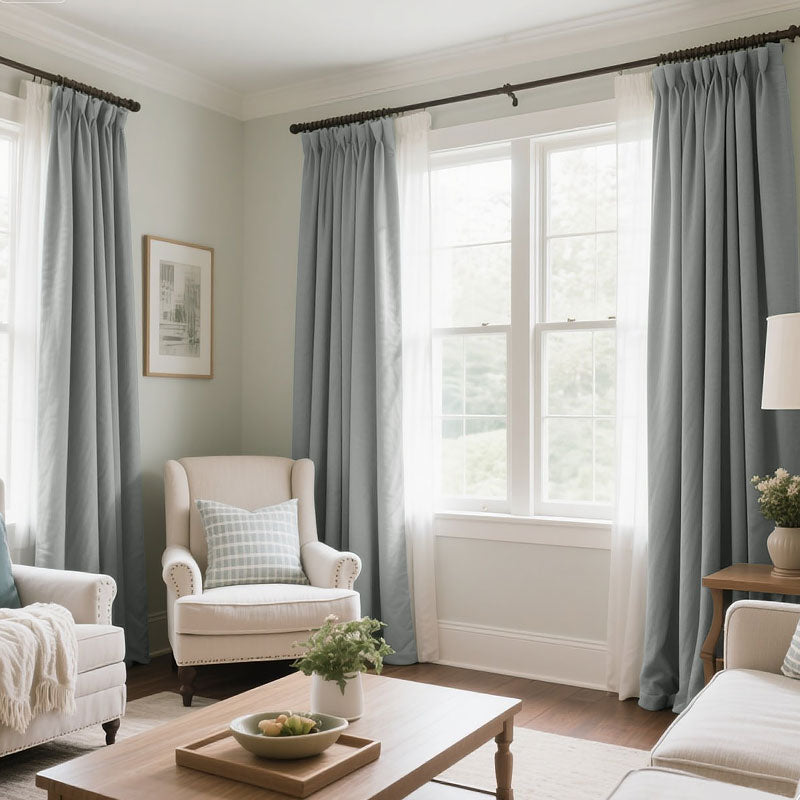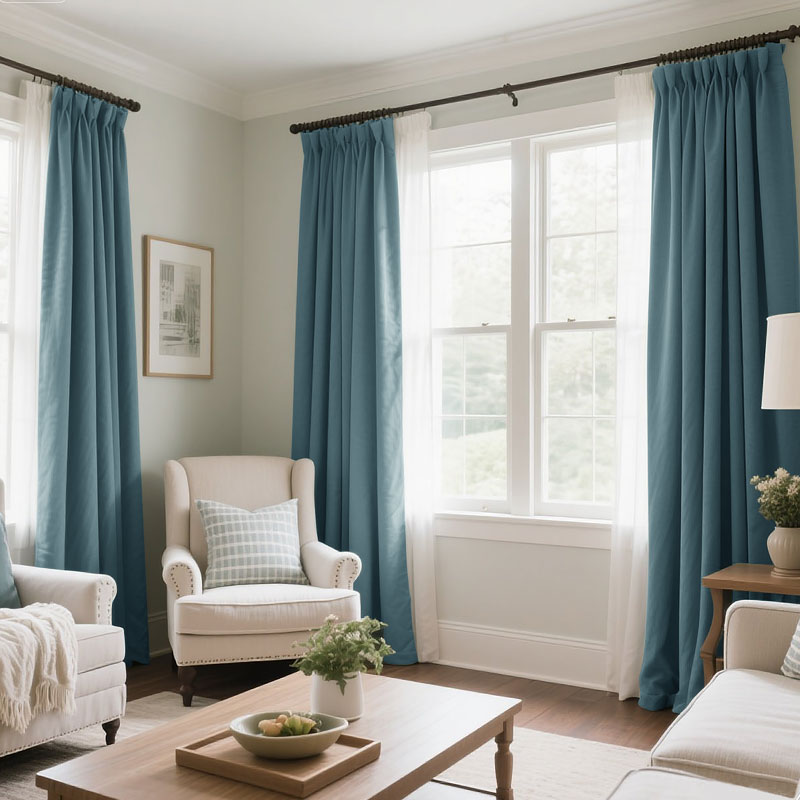
Curtains are one of the most versatile and impactful elements of home décor, bridging the gap between aesthetics and functionality. They influence the overall ambiance of a room, control natural light, provide privacy, and create a visual link between various pieces of furniture. Properly chosen curtains can enhance the colors, textures, and themes present in a home, ensuring cohesion and harmony in interior design.
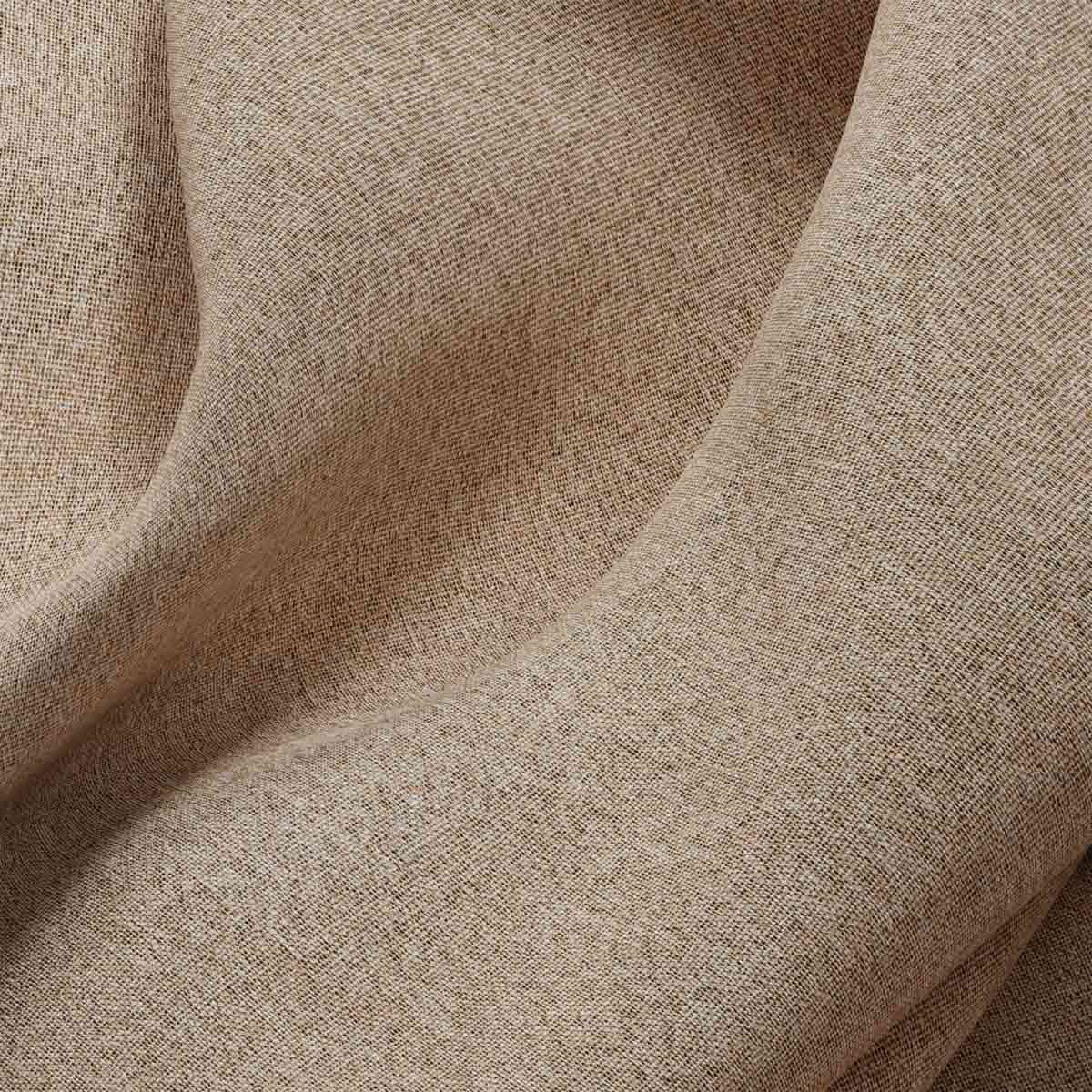
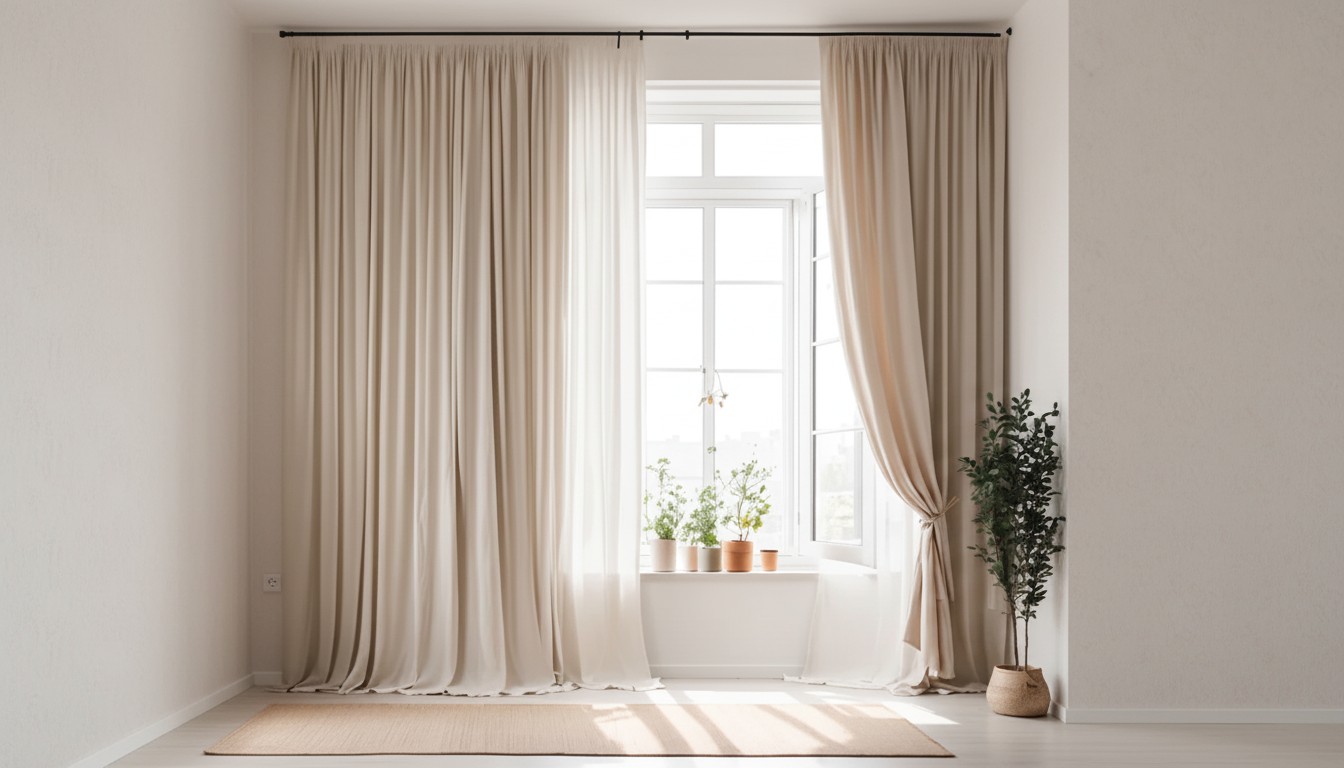
When designing home interiors, it is important to consider both the type of curtains and their material. Sheer curtains offer a soft, airy feel, allowing sunlight to enter while maintaining privacy. These are ideal for casual living areas, kitchens, or sunrooms. For formal spaces like dining rooms or master bedrooms, heavier fabrics such as velvet or silk provide elegance, insulation, and a luxurious appearance. Linen and cotton blends work well for a balance of comfort, durability, and natural aesthetics. Mixing and layering fabrics can add depth and interest, creating a visually dynamic environment.
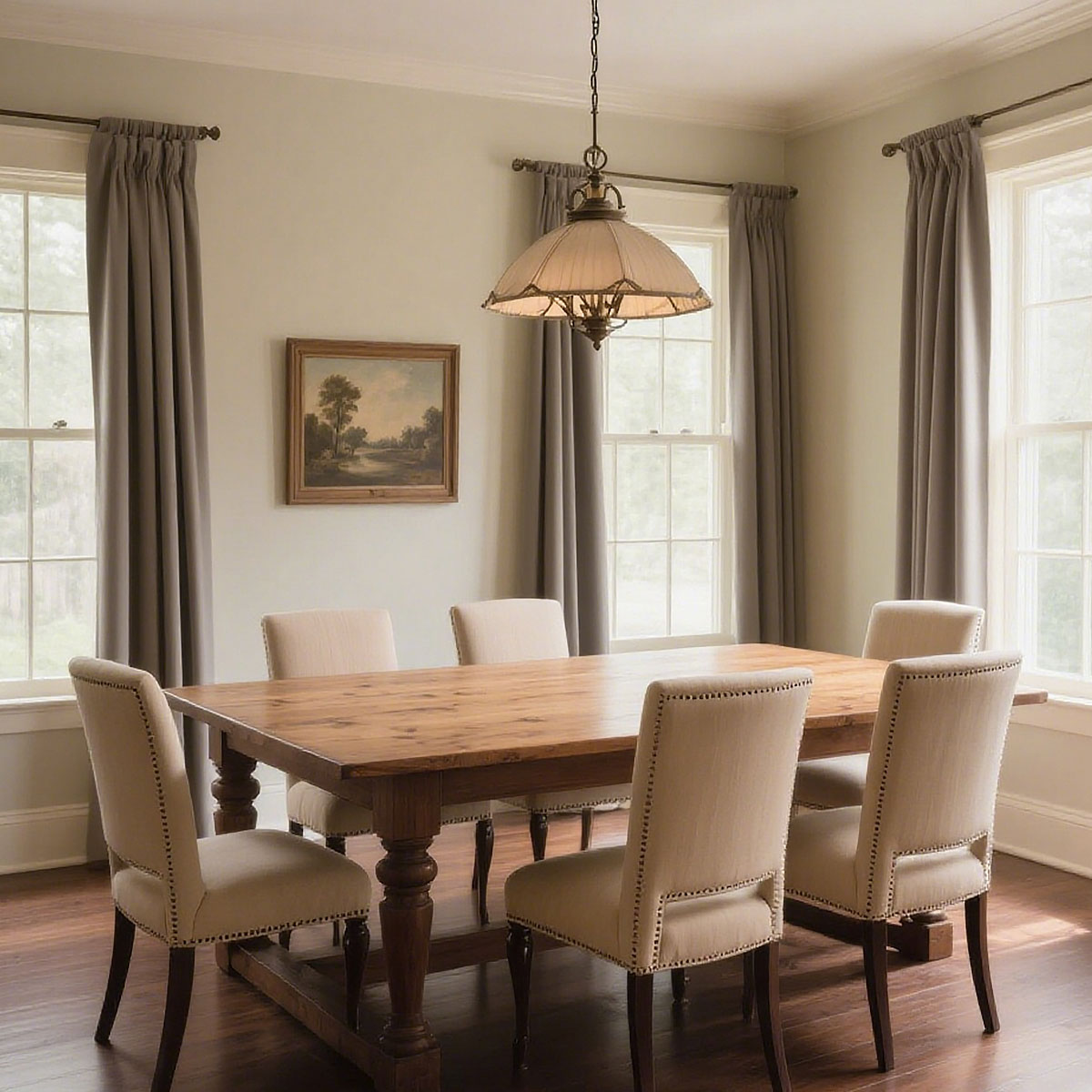
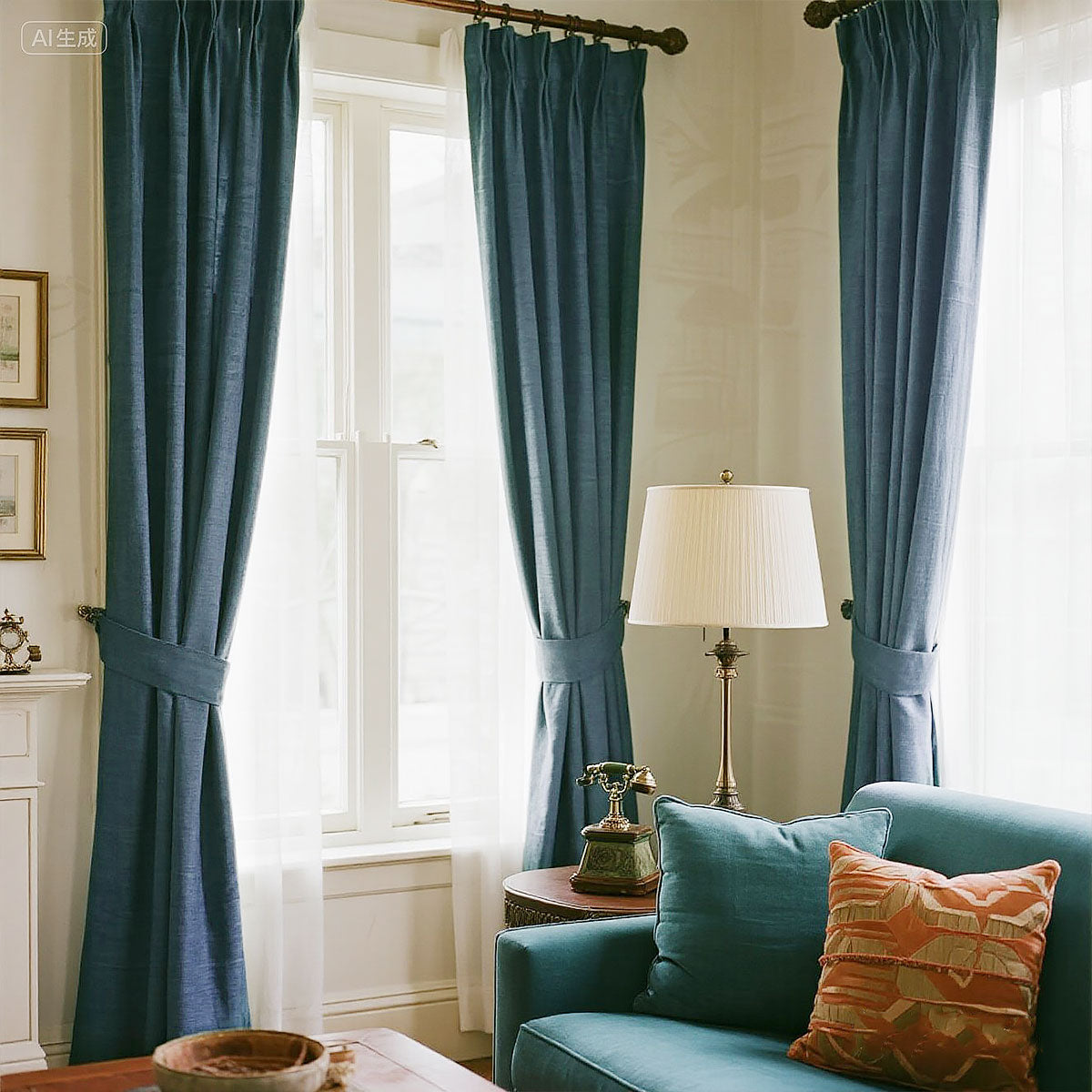
Color coordination is essential in achieving a cohesive design. Neutral shades provide flexibility and can adapt to different furniture styles, while bold patterns or vibrant colors create focal points and highlight specific furniture pieces. For instance, a living room with a neutral-toned sofa can be enhanced with patterned curtains that echo the accent colors in cushions, rugs, or wall art. In bedrooms, soft pastel curtains can enhance a calm and restful atmosphere, while deep, rich tones can create a cozy, intimate space.
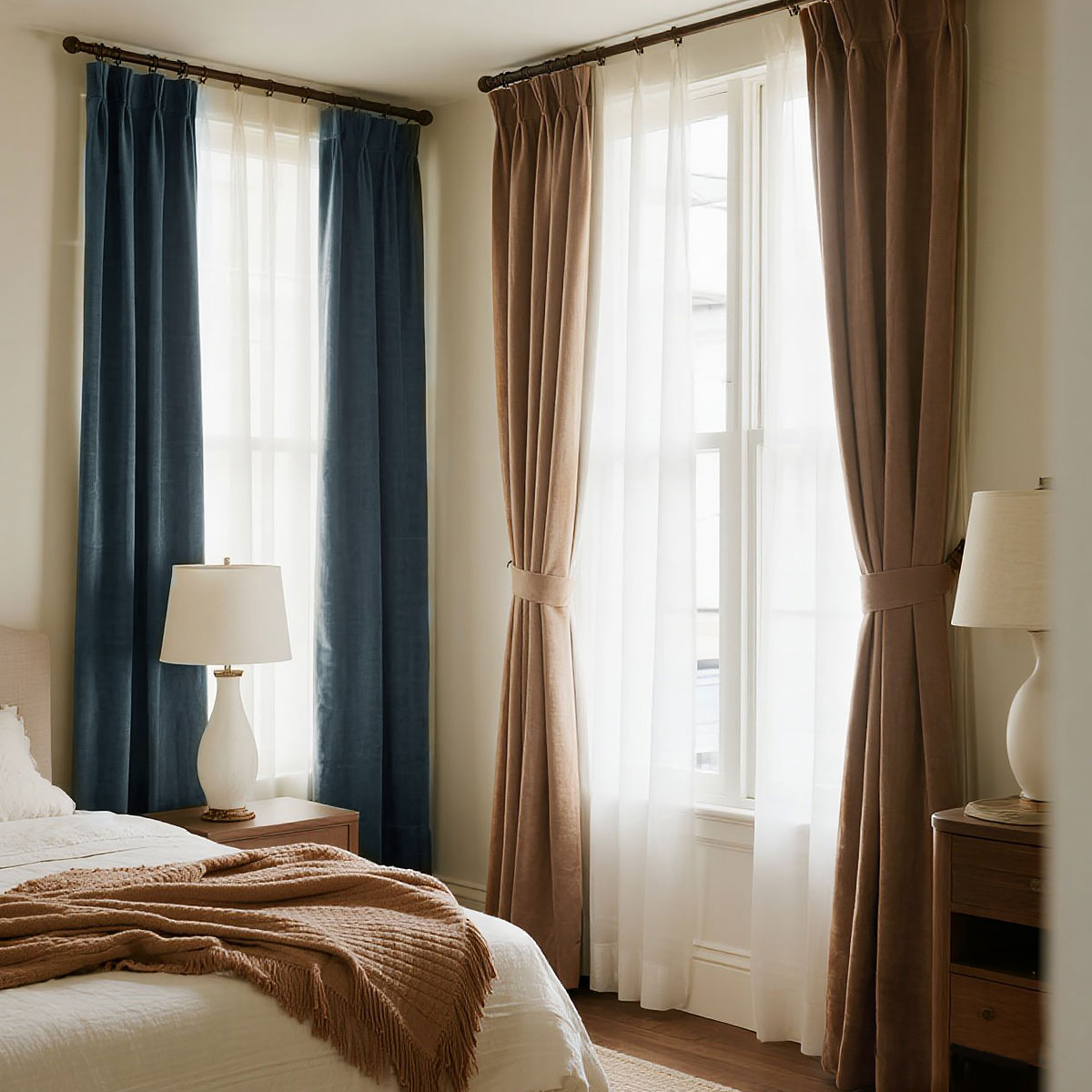
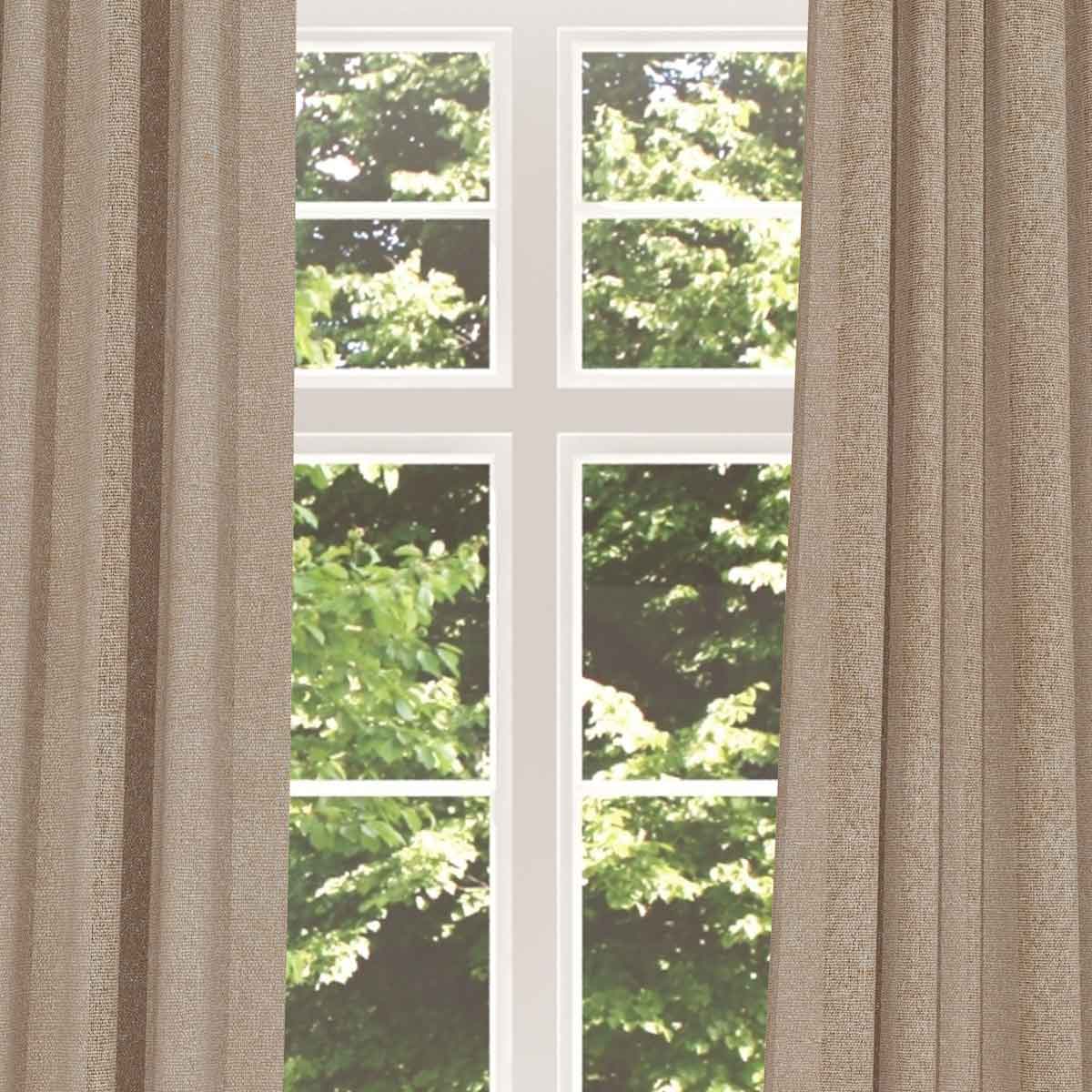
Functionality is another critical aspect. Blackout curtains are essential for bedrooms and media rooms where light control is crucial. Thermal curtains can aid in temperature regulation, reducing energy costs and improving comfort. Sheer panels layered under heavier curtains provide flexibility, allowing homeowners to adjust lighting levels throughout the day. Tiebacks, curtain rods, and other hardware elements should complement the overall design, blending seamlessly with furniture styles and room décor.
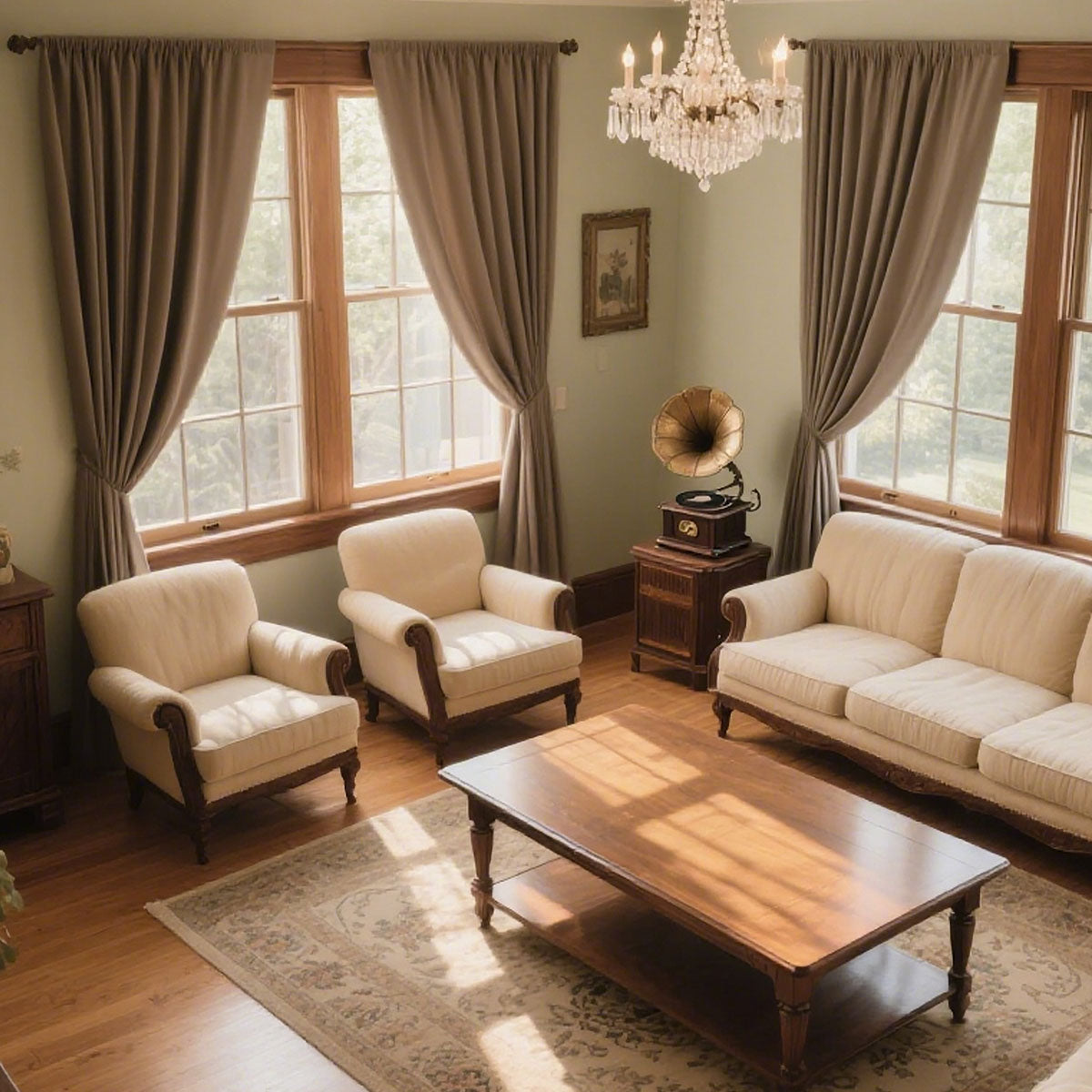
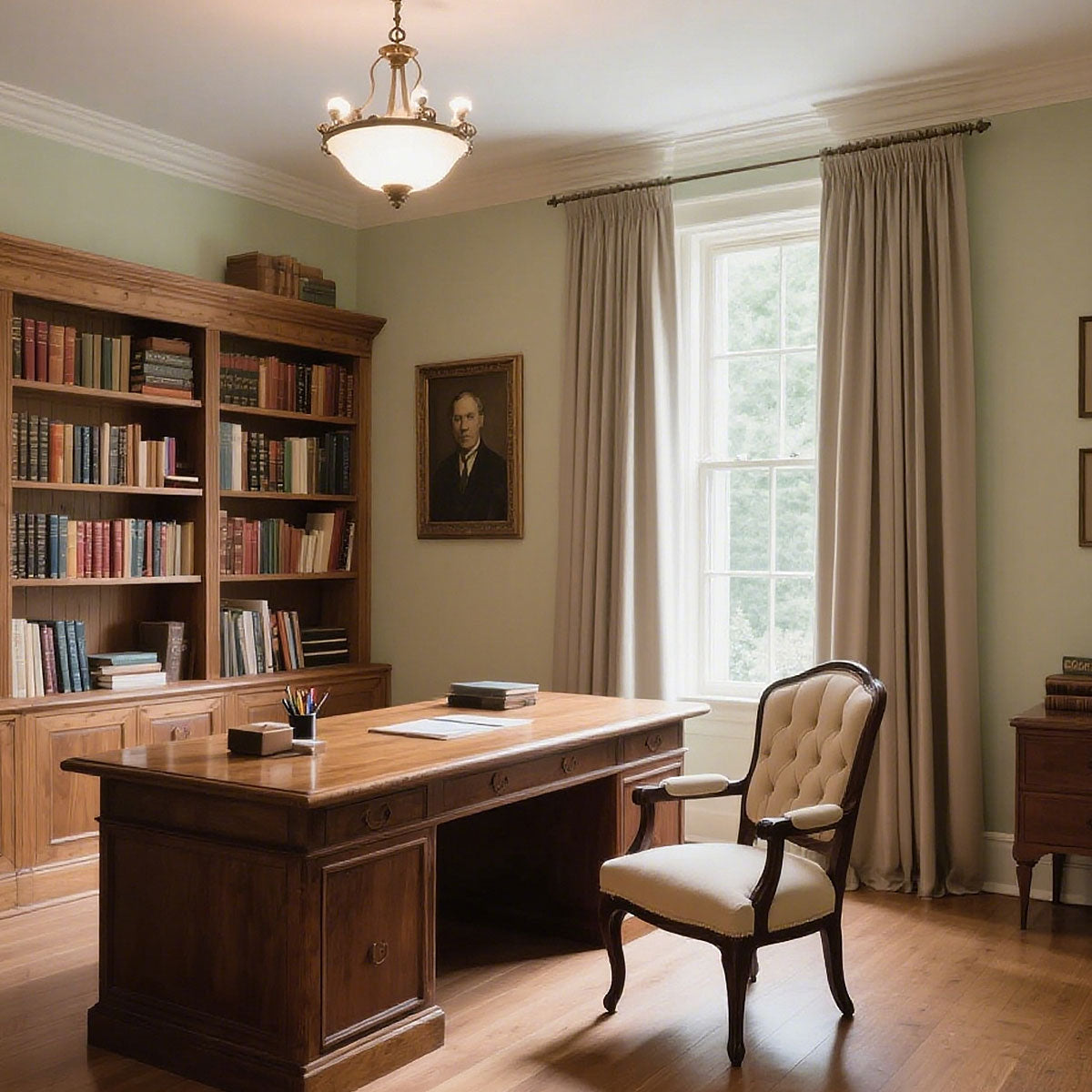
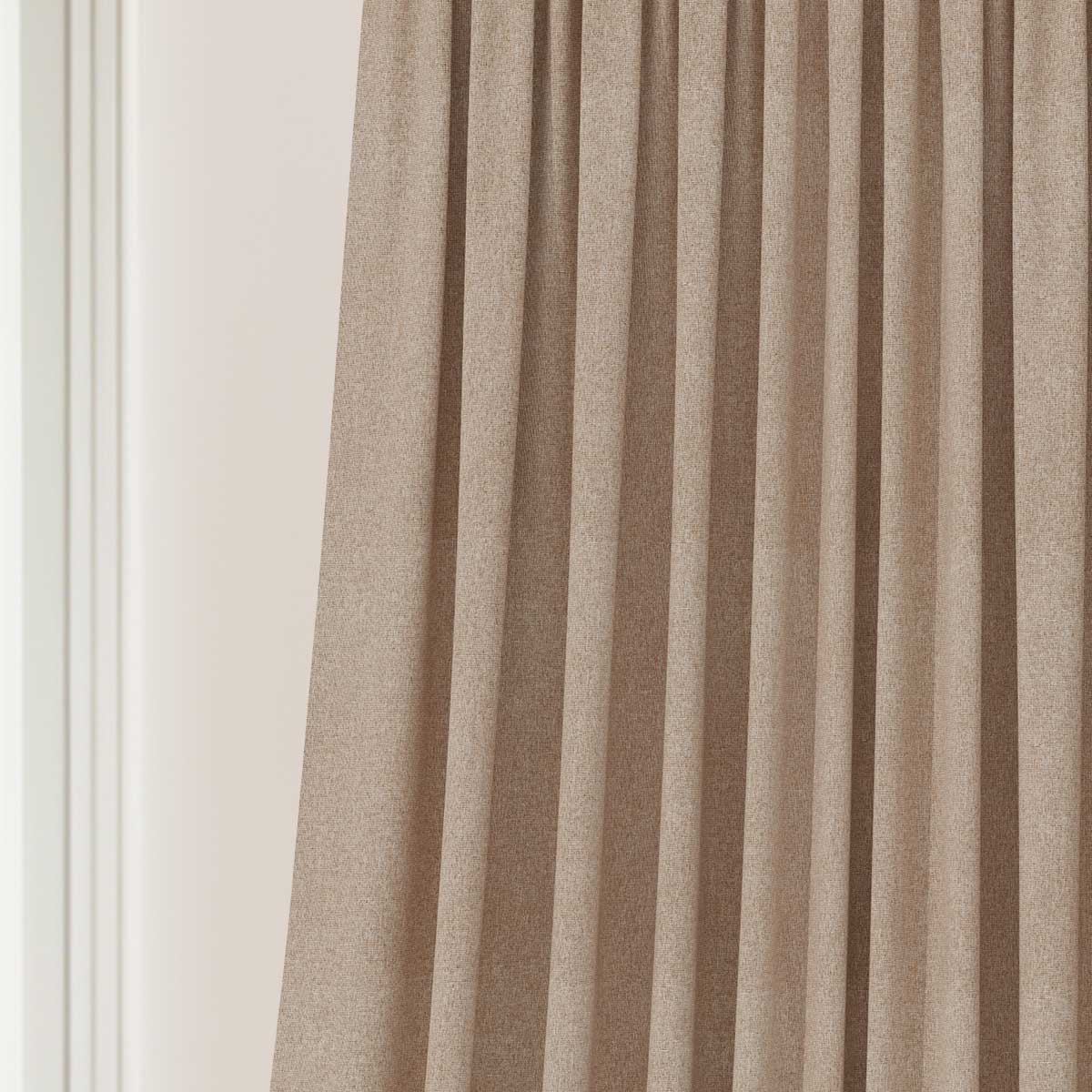
When pairing curtains with furniture, texture and proportion should also be considered. Heavy drapes work well with substantial, classic furniture, whereas lightweight fabrics harmonize with minimalist or modern pieces. Curtains can visually enlarge small spaces when mounted close to the ceiling, creating a sense of height and openness. Conversely, shorter panels can make a cozy corner feel more intimate. Matching curtain style, color, and material with the furniture ensures balance, enhancing the room’s overall aesthetic appeal.
Beyond visuals, curtains also contribute to comfort by softening acoustics, especially in rooms with hardwood floors or high ceilings. Combining curtains with upholstered furniture further absorbs sound and reduces echo, improving the living experience. Accessories such as decorative tassels, fringes, and tiebacks add personality and refinement, allowing homeowners to express style while maintaining harmony.
In summary, curtains are indispensable in home décor, offering functionality, aesthetic value, and the ability to unify furniture and accessories. By carefully selecting material, color, and style, and by considering layering and complementary accessories, homeowners can create spaces that are harmonious, elegant, and inviting. Properly coordinated curtains and soft furnishings transform ordinary interiors into thoughtfully designed living spaces that reflect individual taste and style.